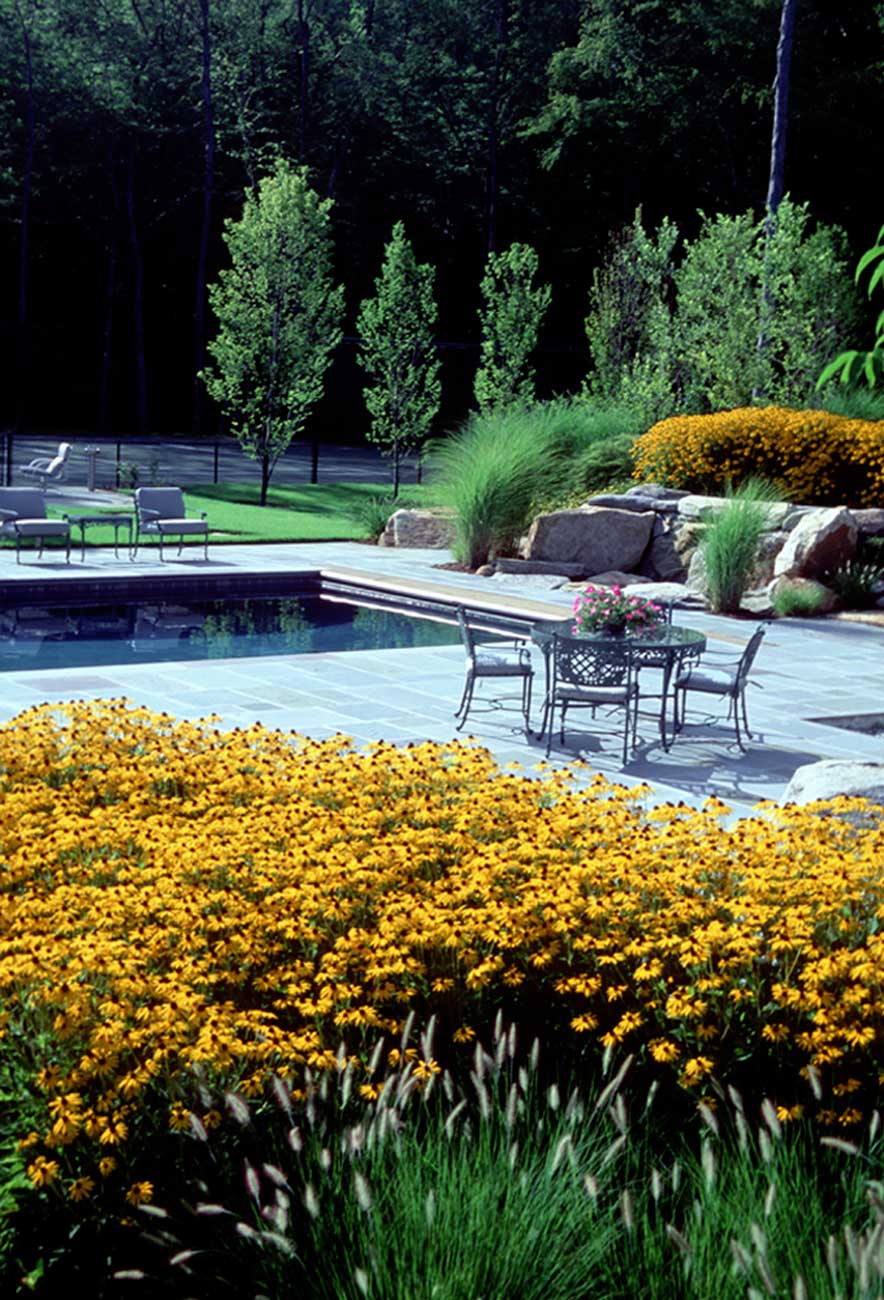
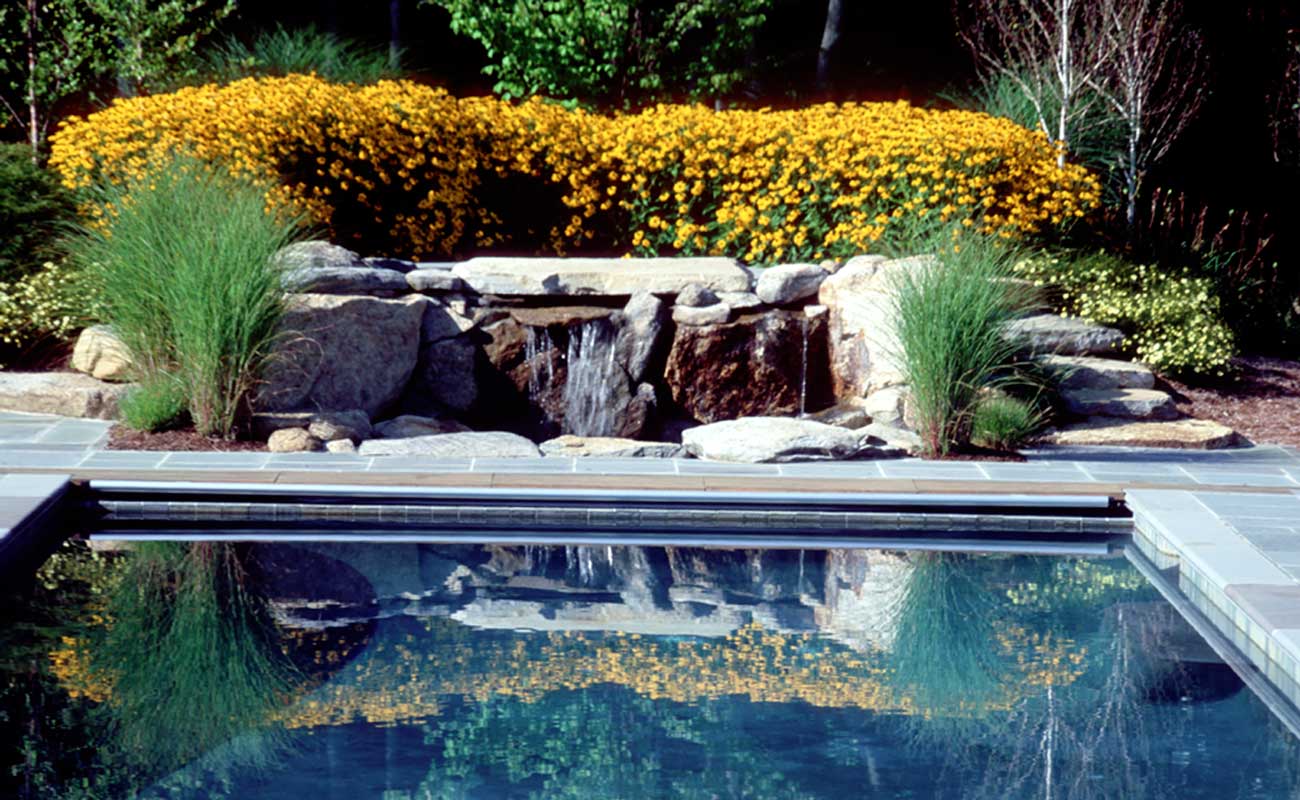
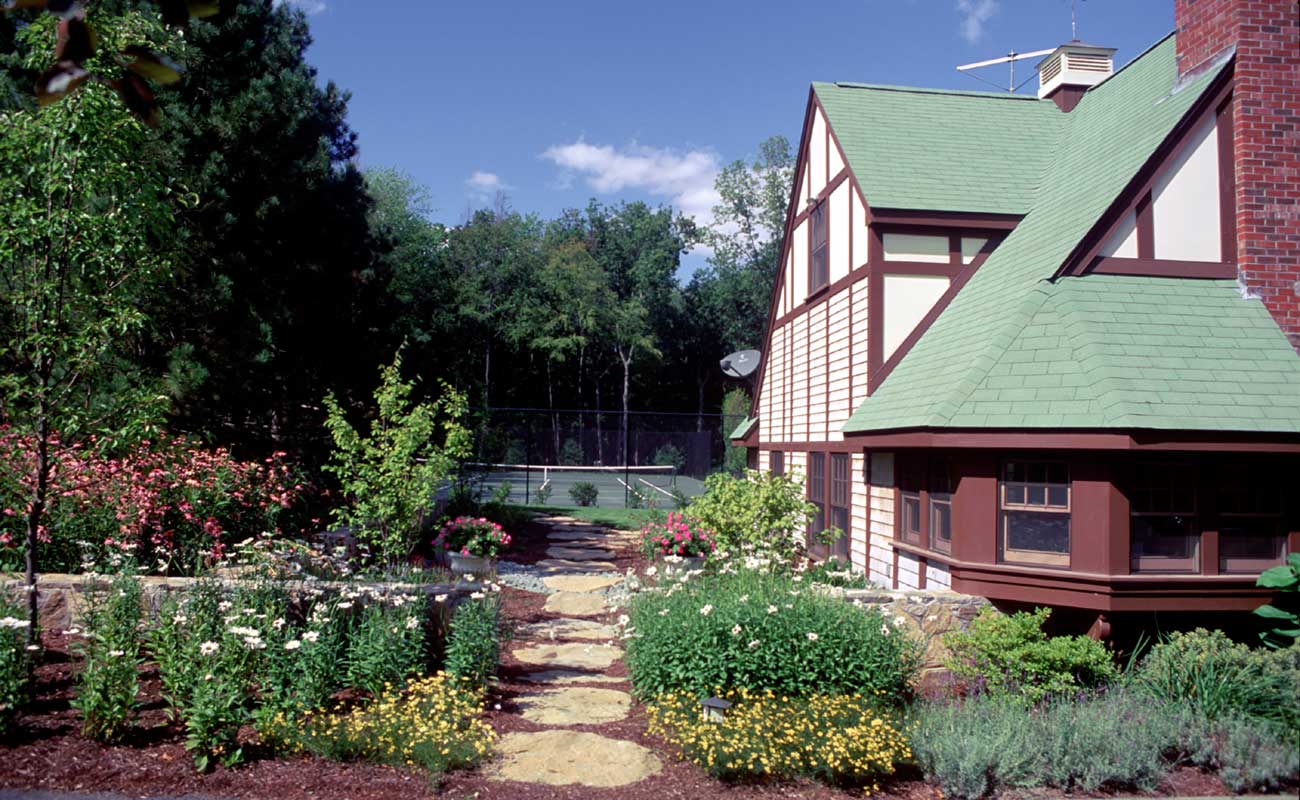
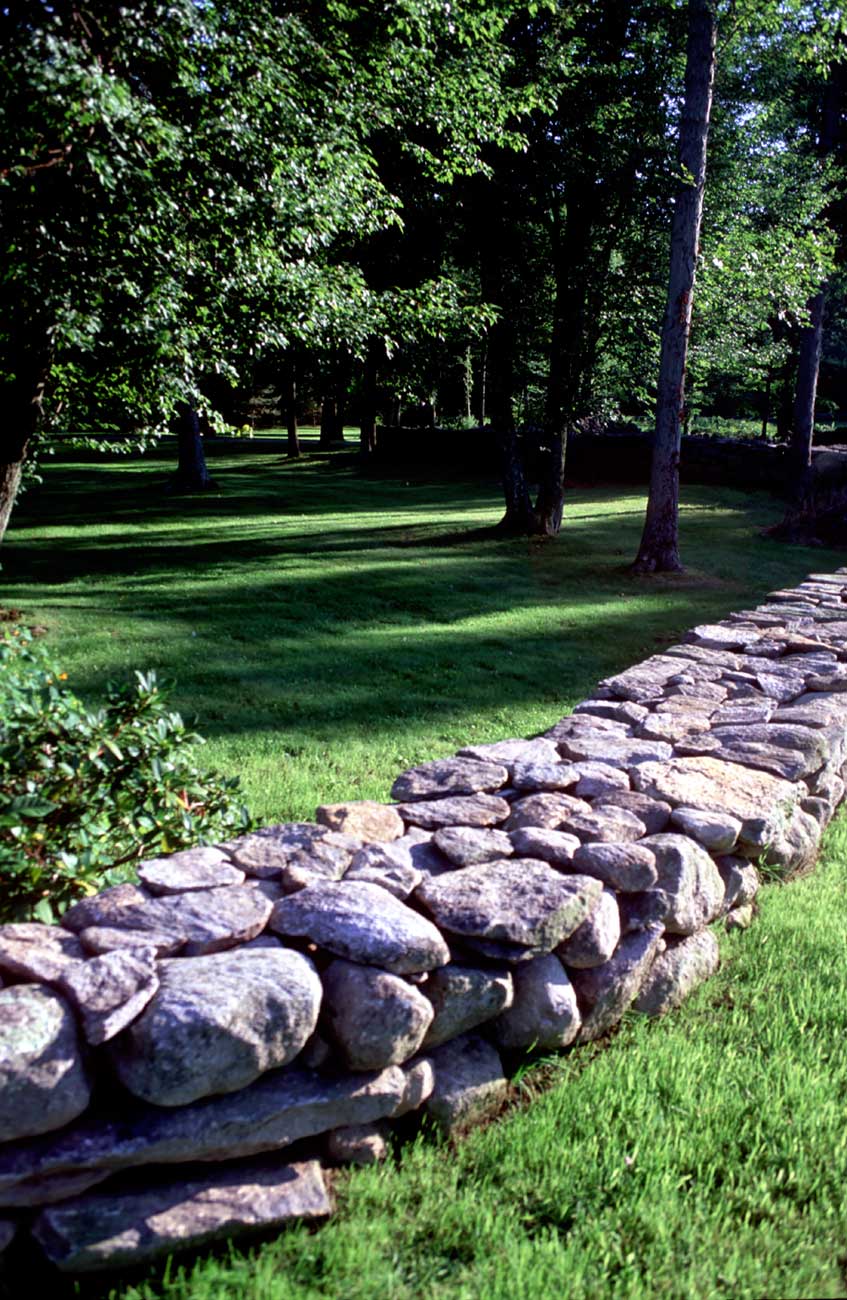
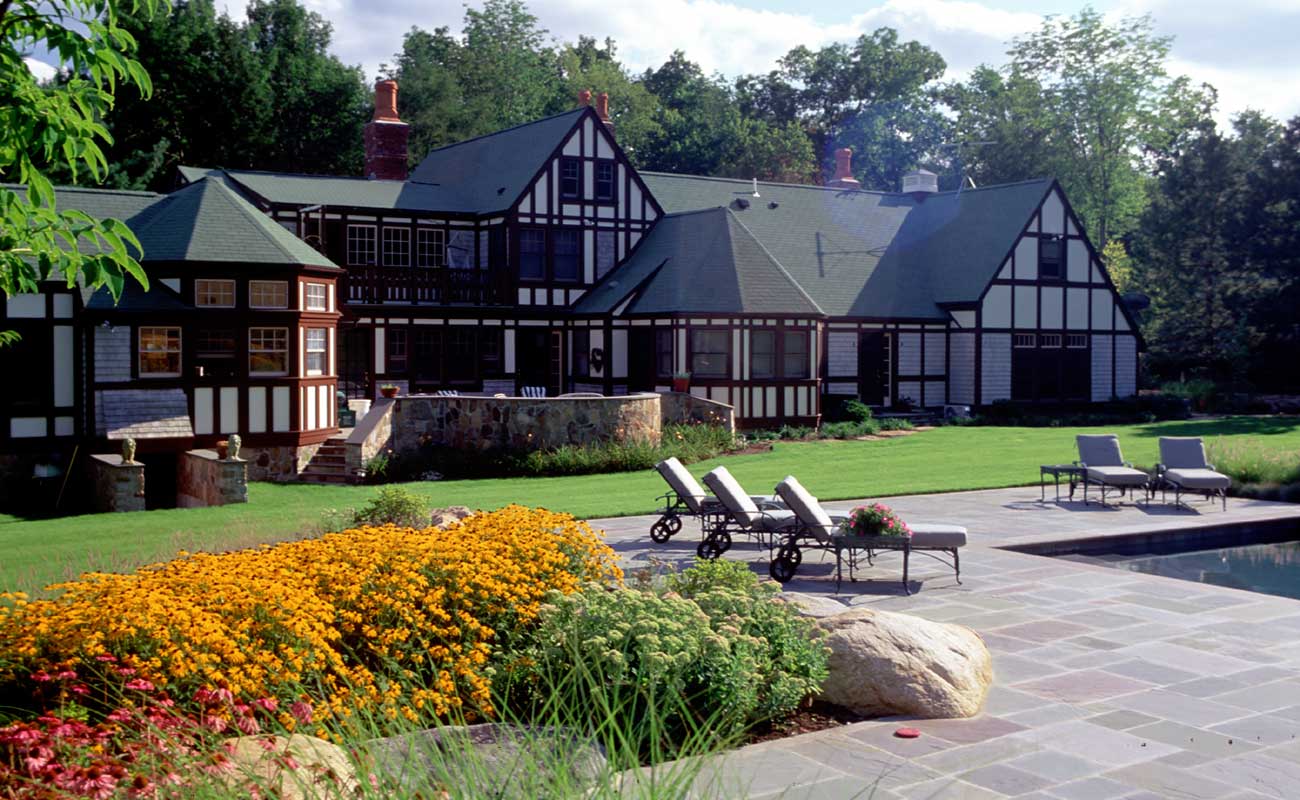
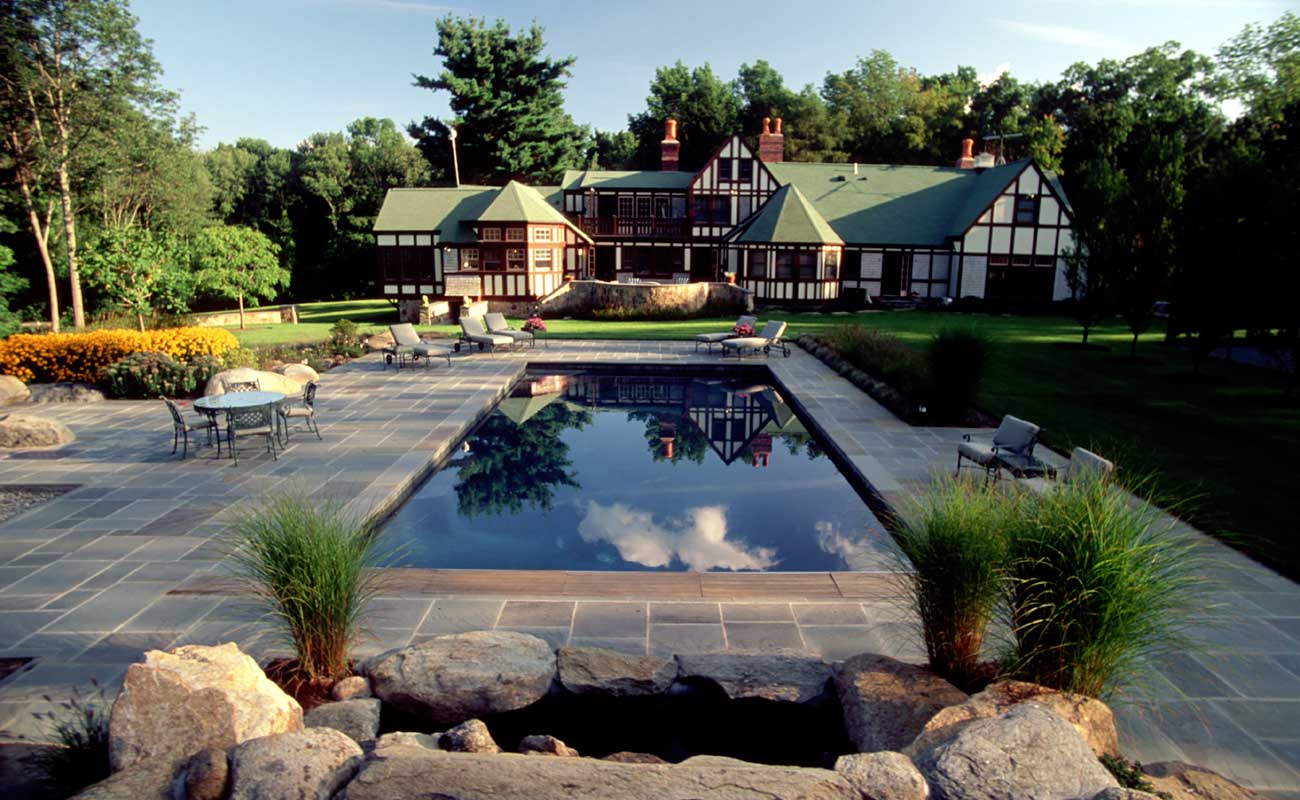
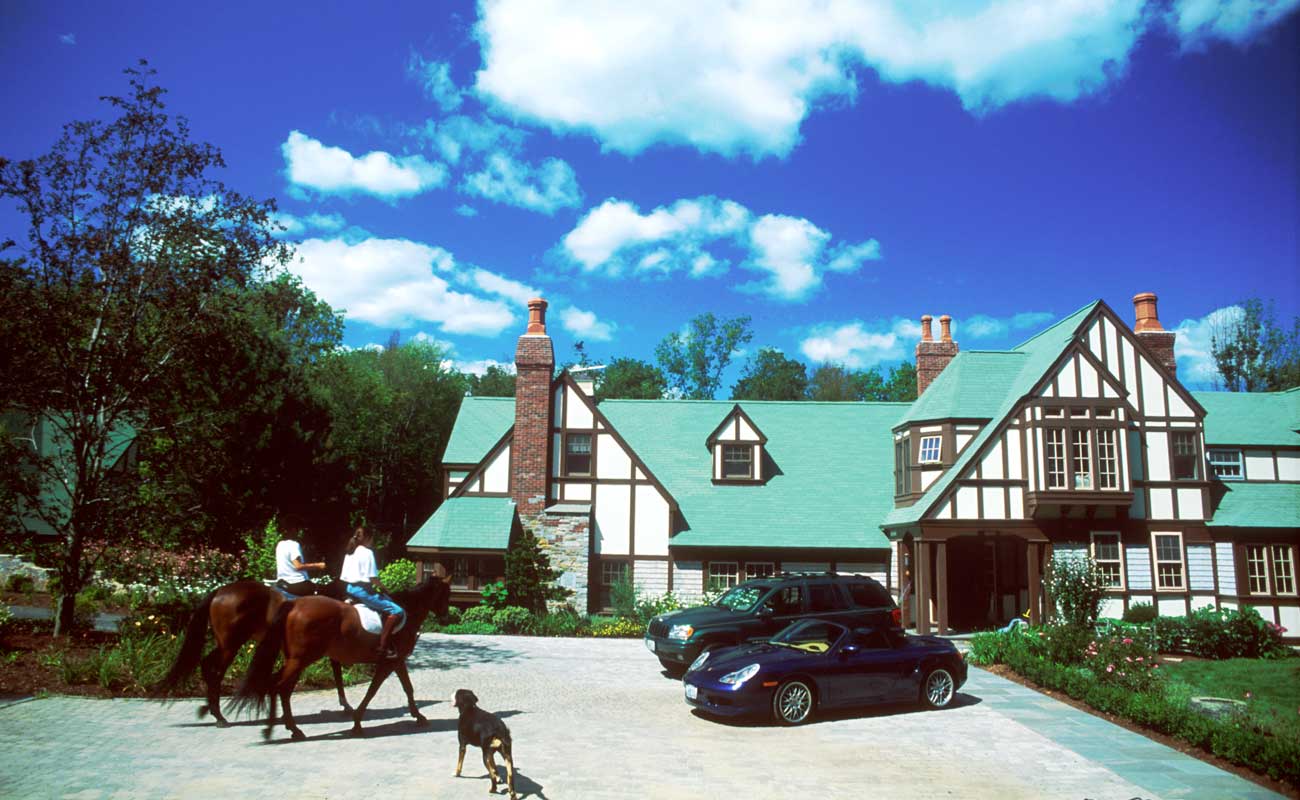
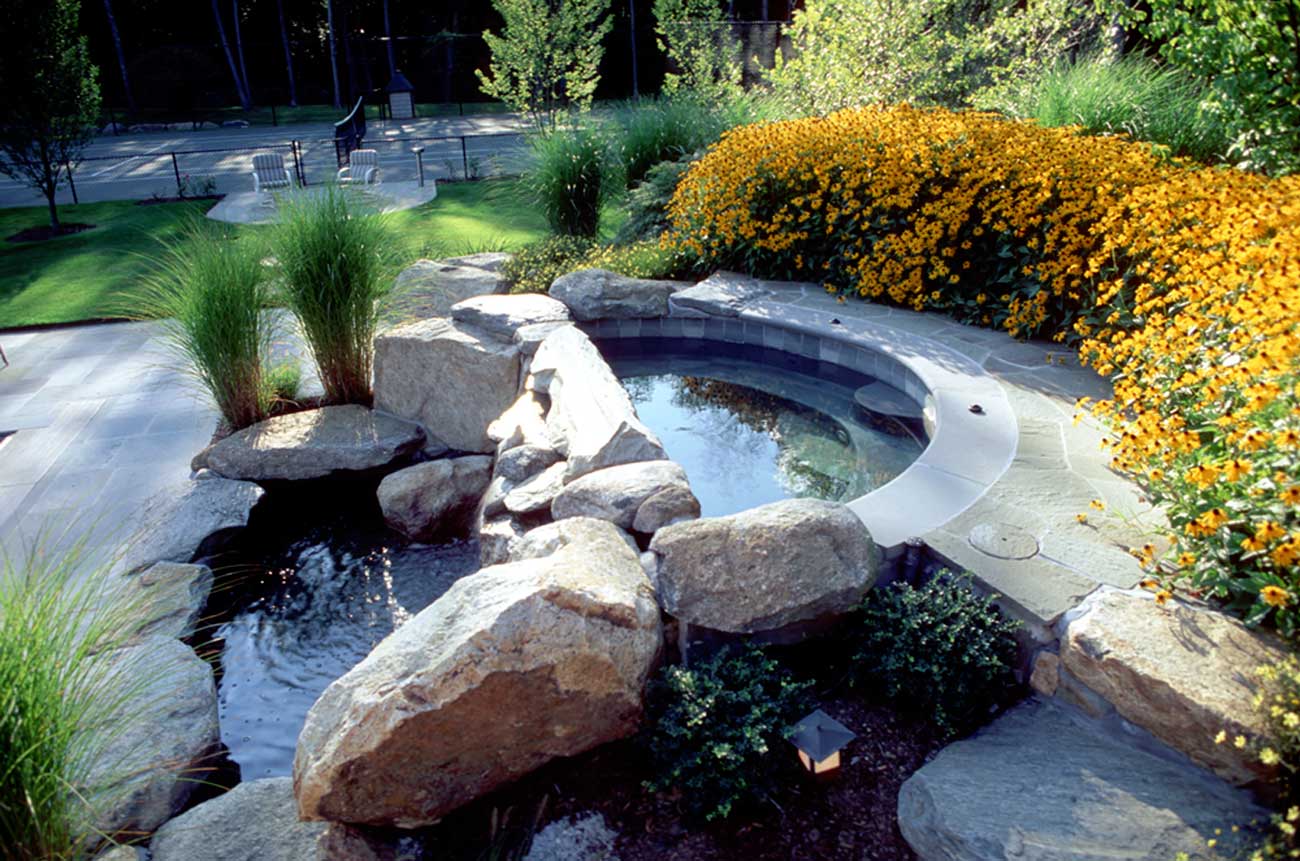
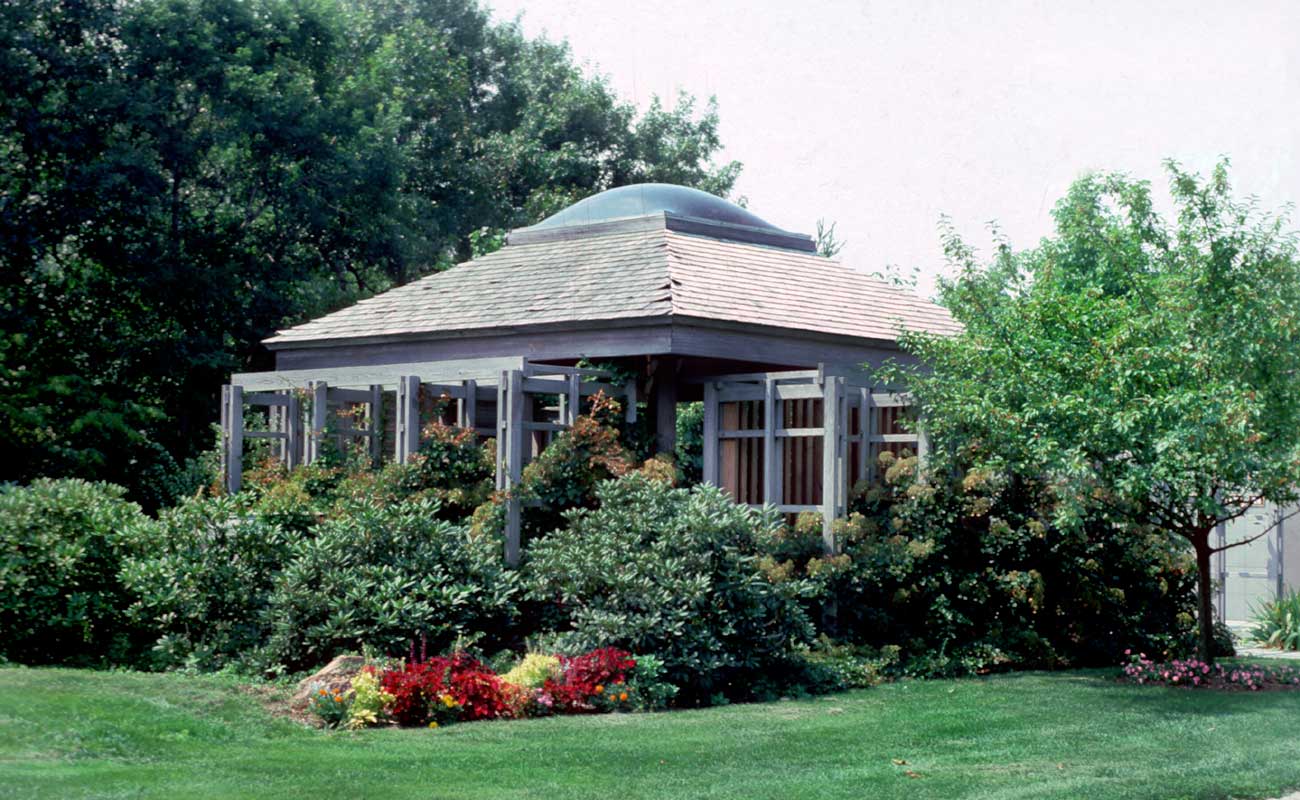
The Wyner Stokes residence is located on a 150 acre parcel of land in North Scituate, Rhode Island, which was a working farm for more than 200 years. Gerry Brown, as principal designer assisted in the restoration of the existing historical elements and the design of compatible new features,
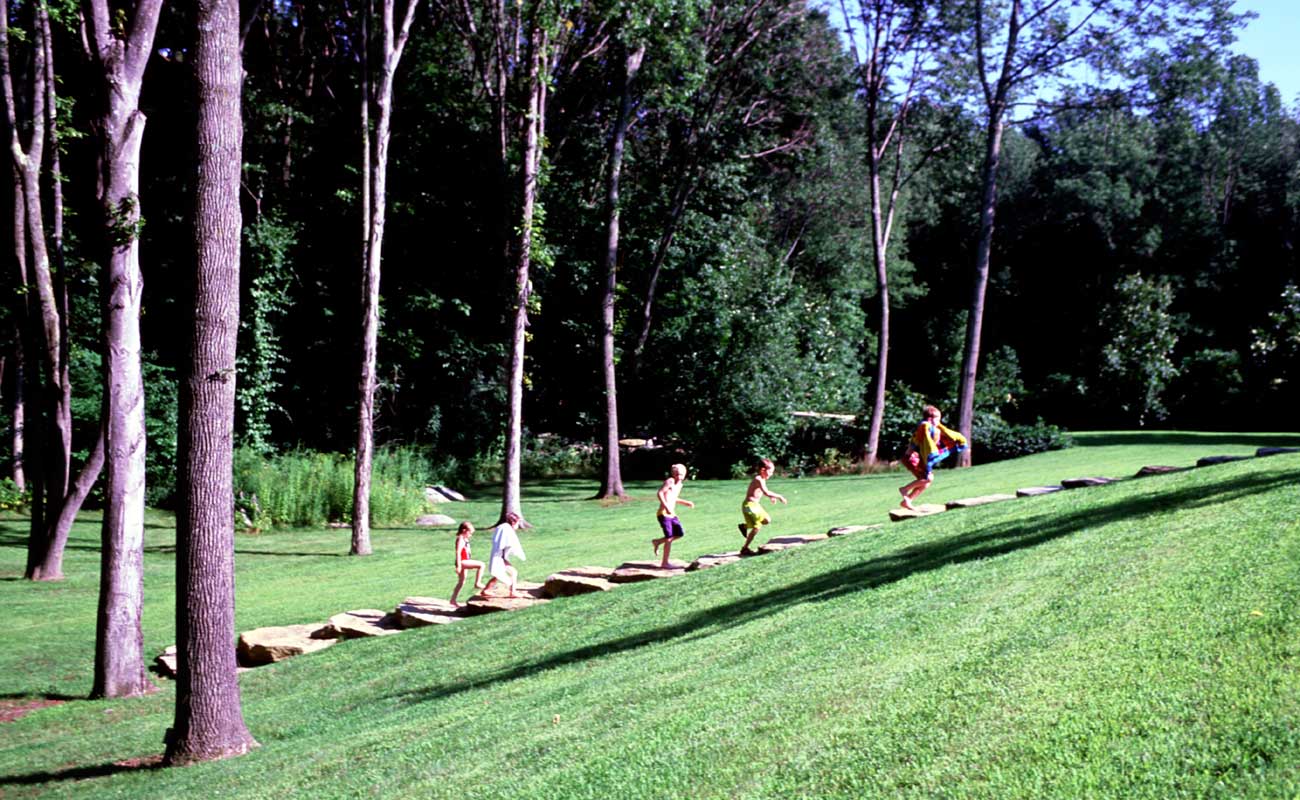
including a silo. Working carefully he was able to implement a working horse farm on the site while retaining the historical significance and natural scenery of the landscape. Open fields, paddocks, roadways, bridle paths, and new structures including an indoor riding arena, horse stable, barn, swimming pool and tennis courts were all developed into a seamless master plan that enhances the site’s inherent beauty.
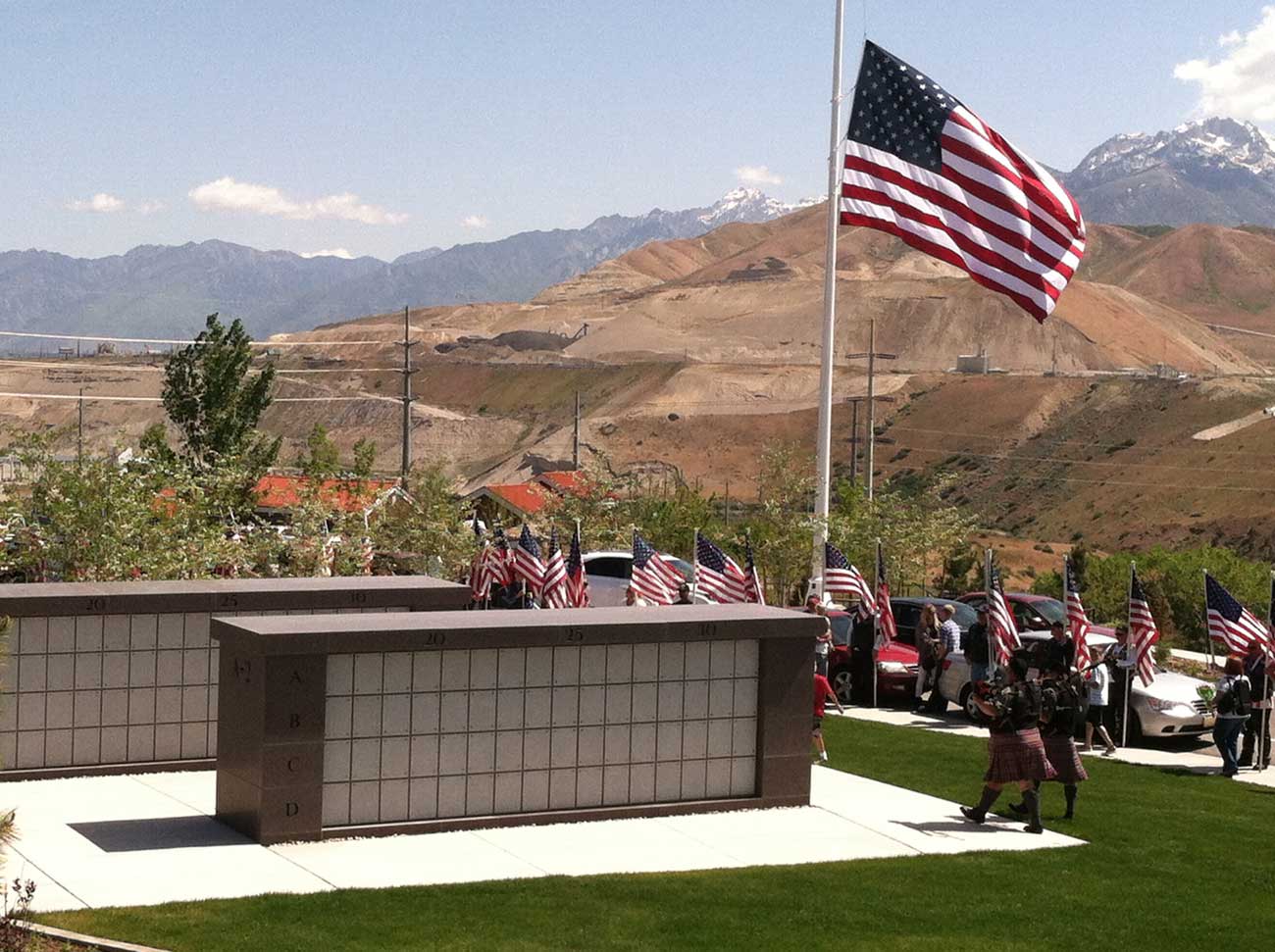
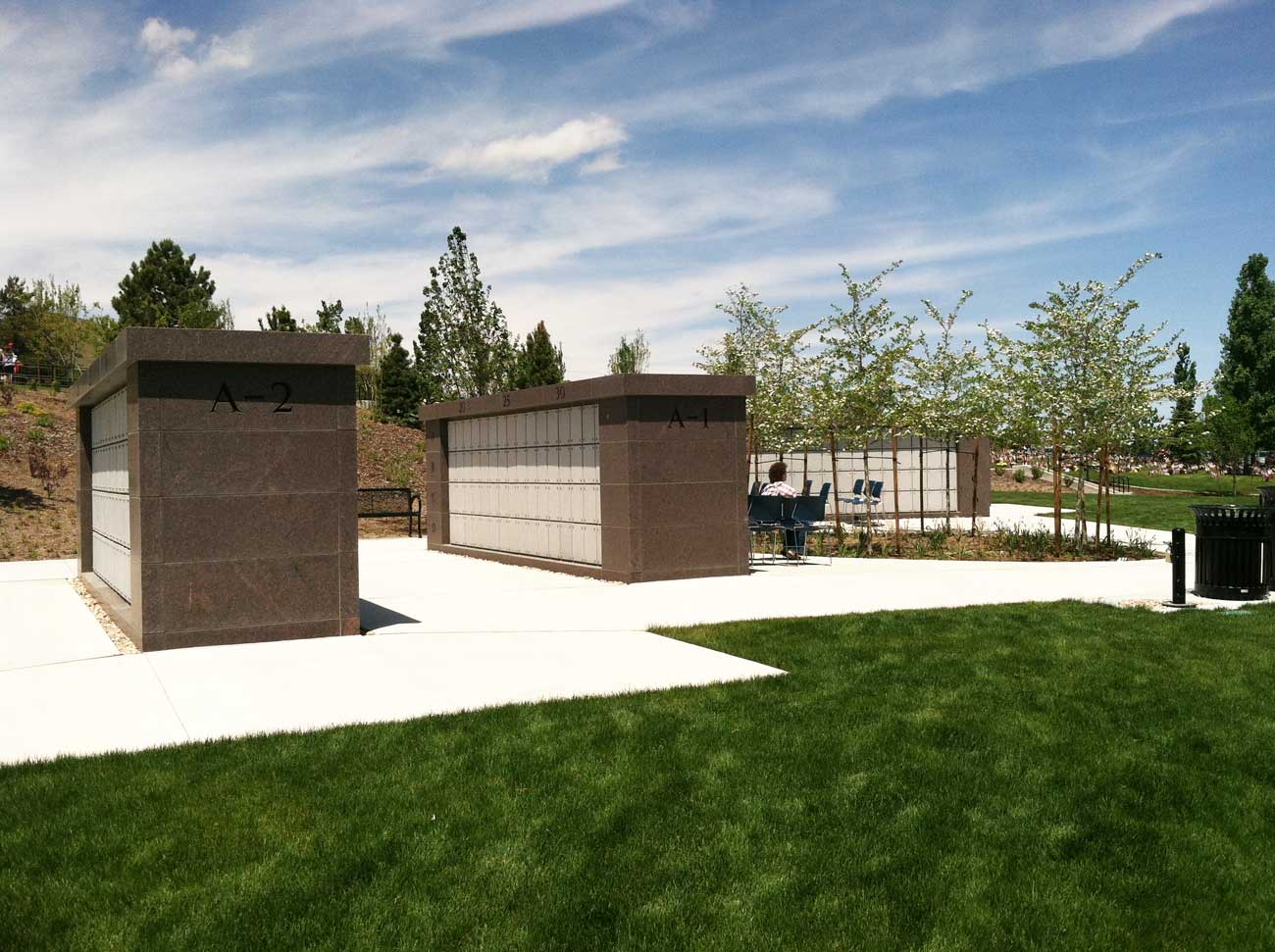
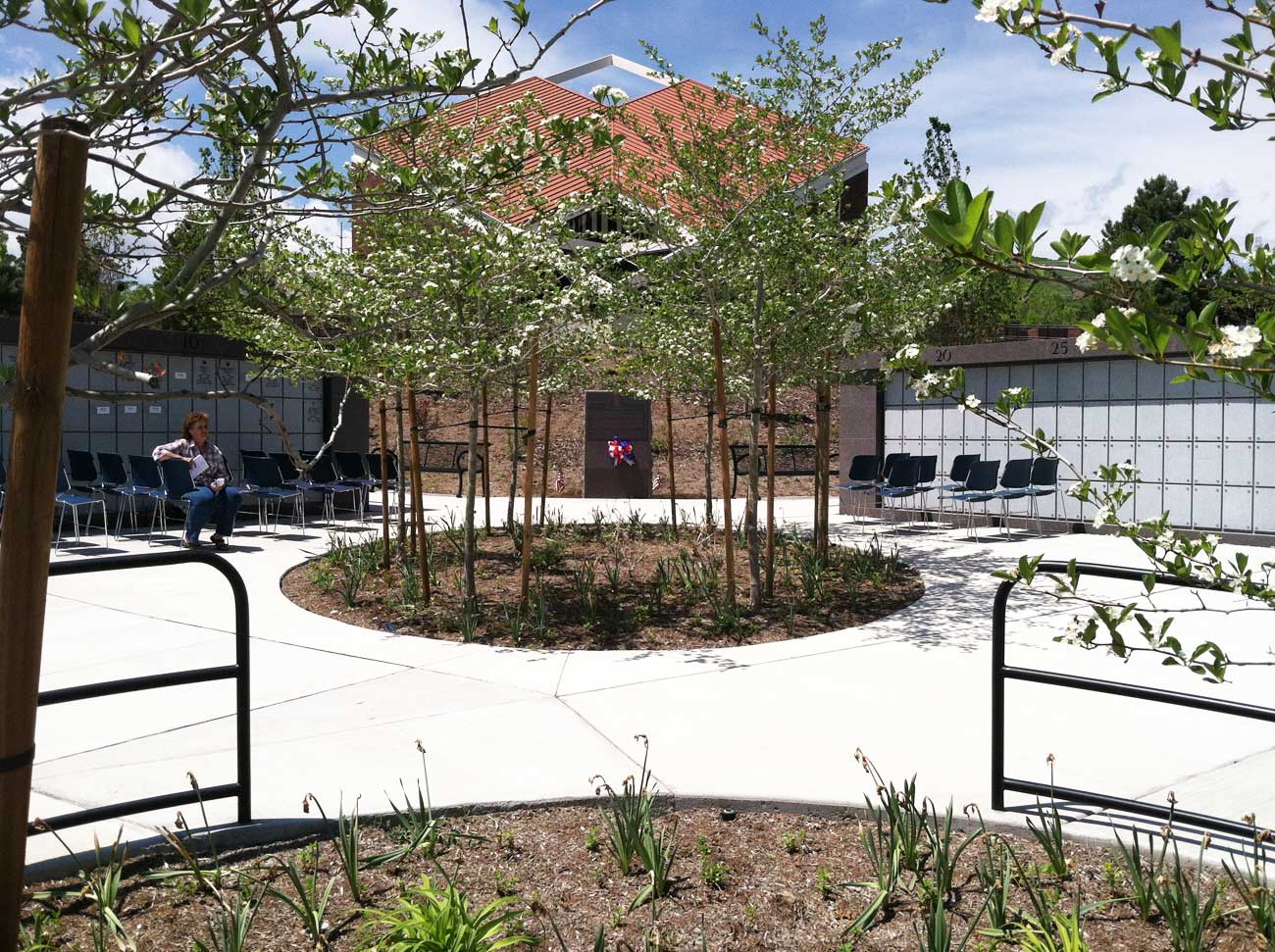
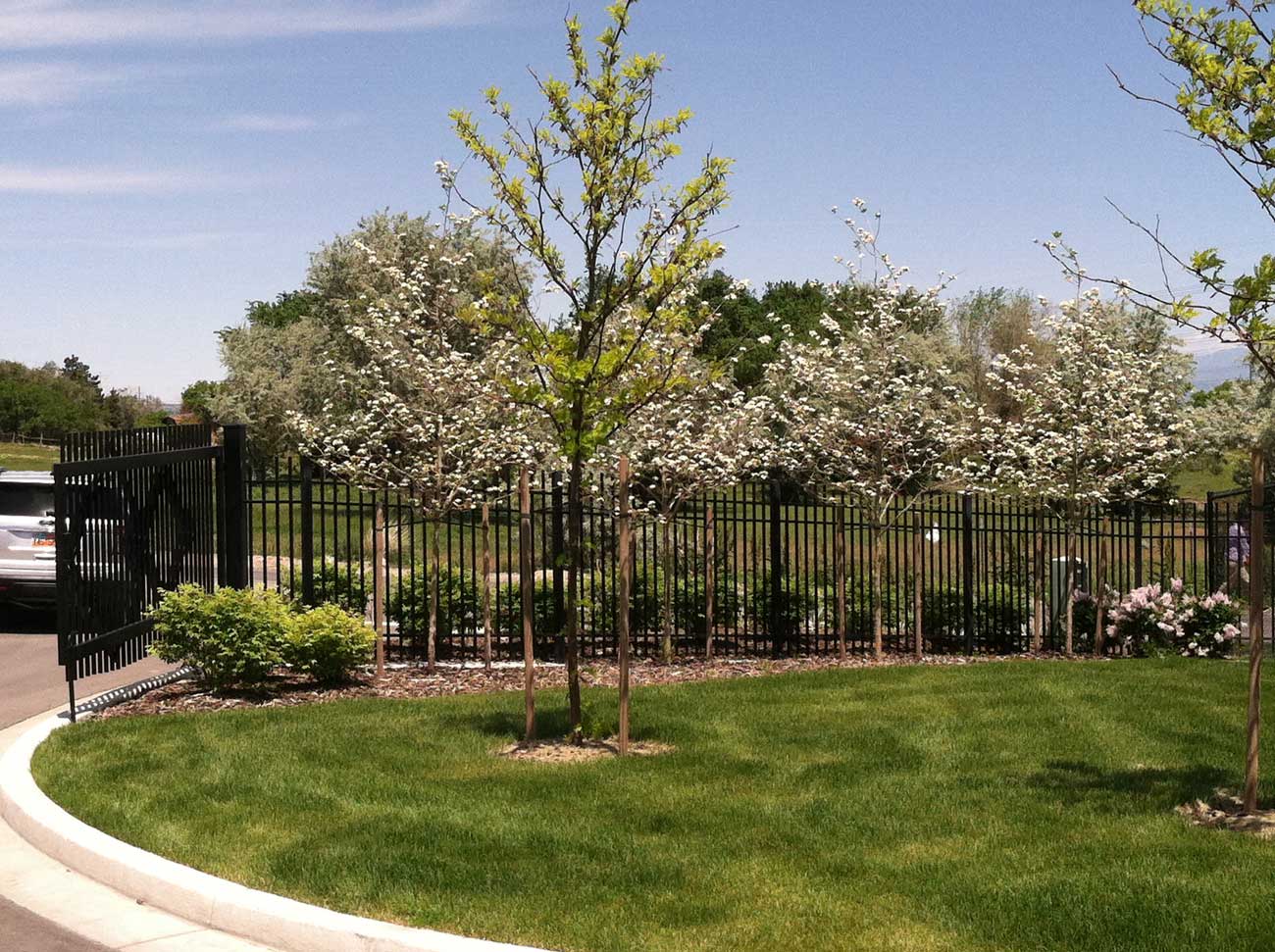
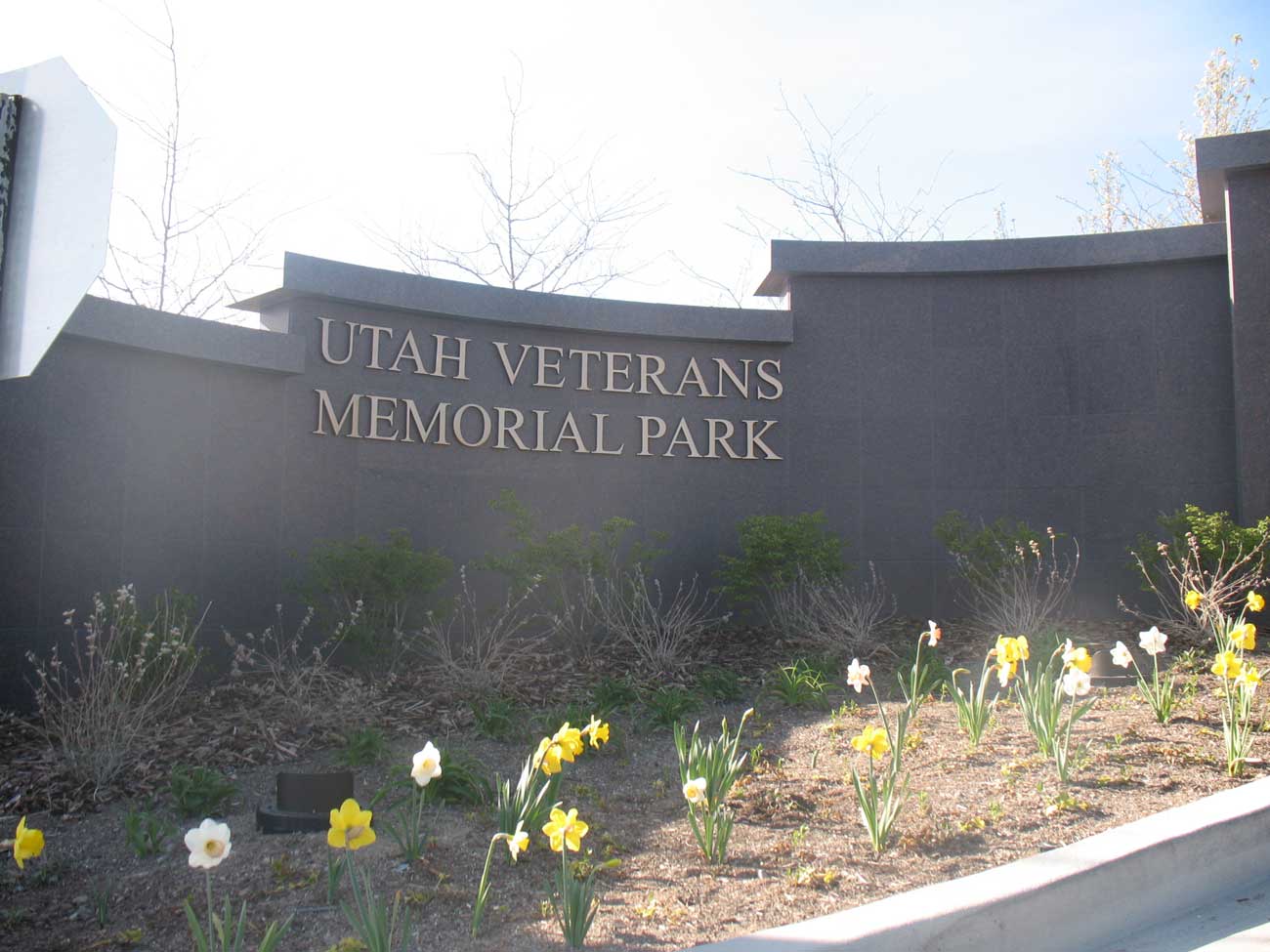
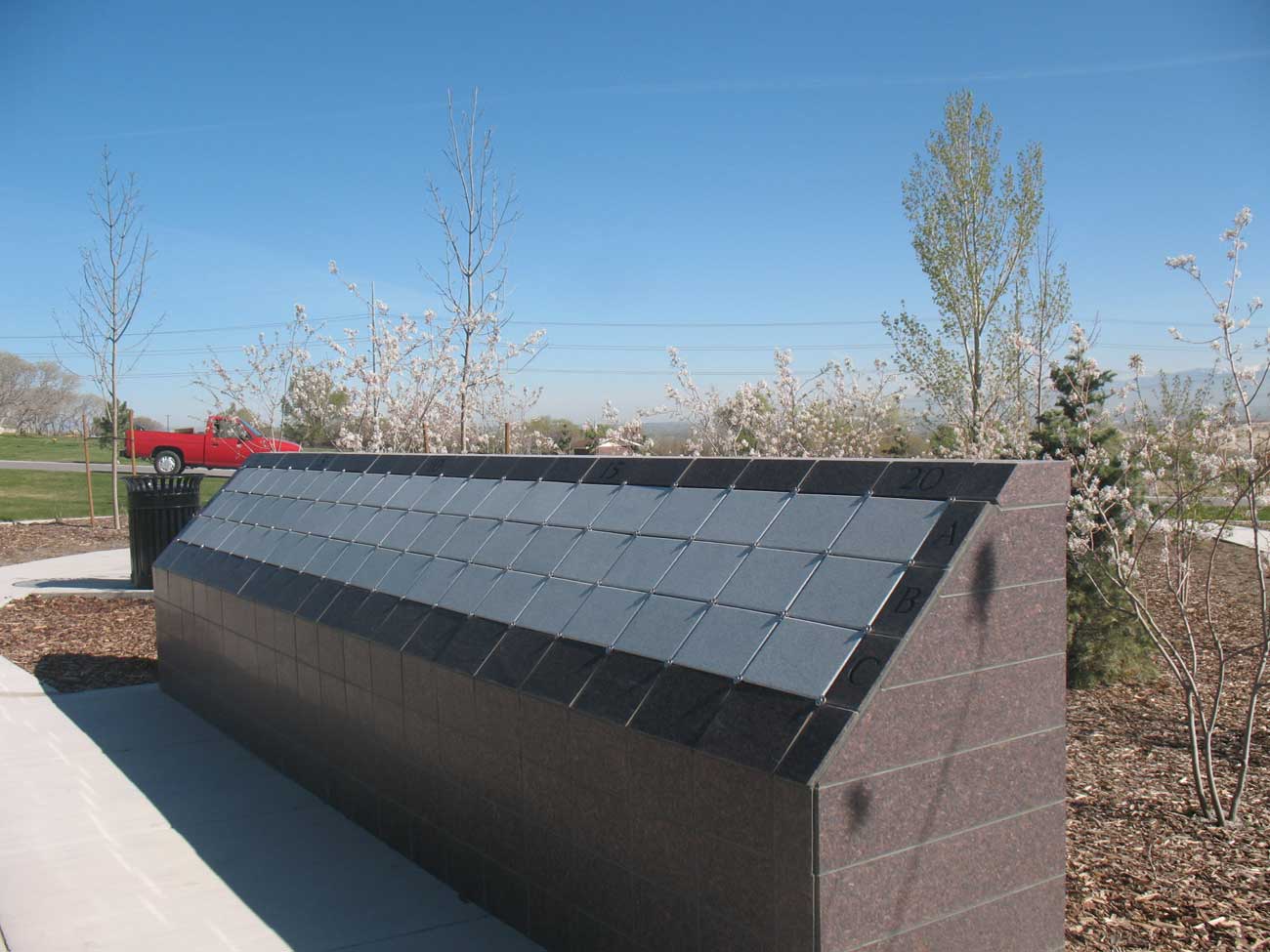
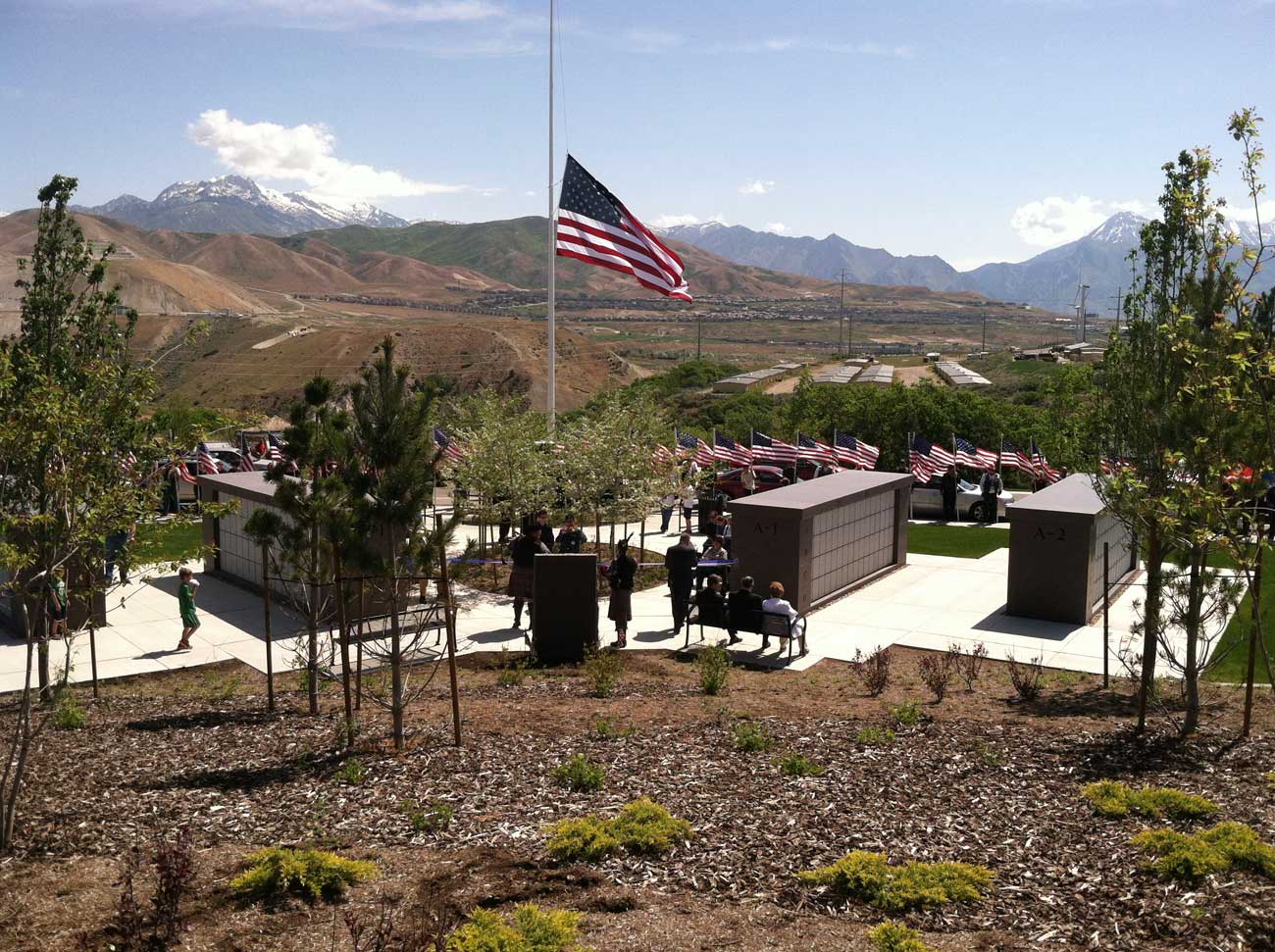
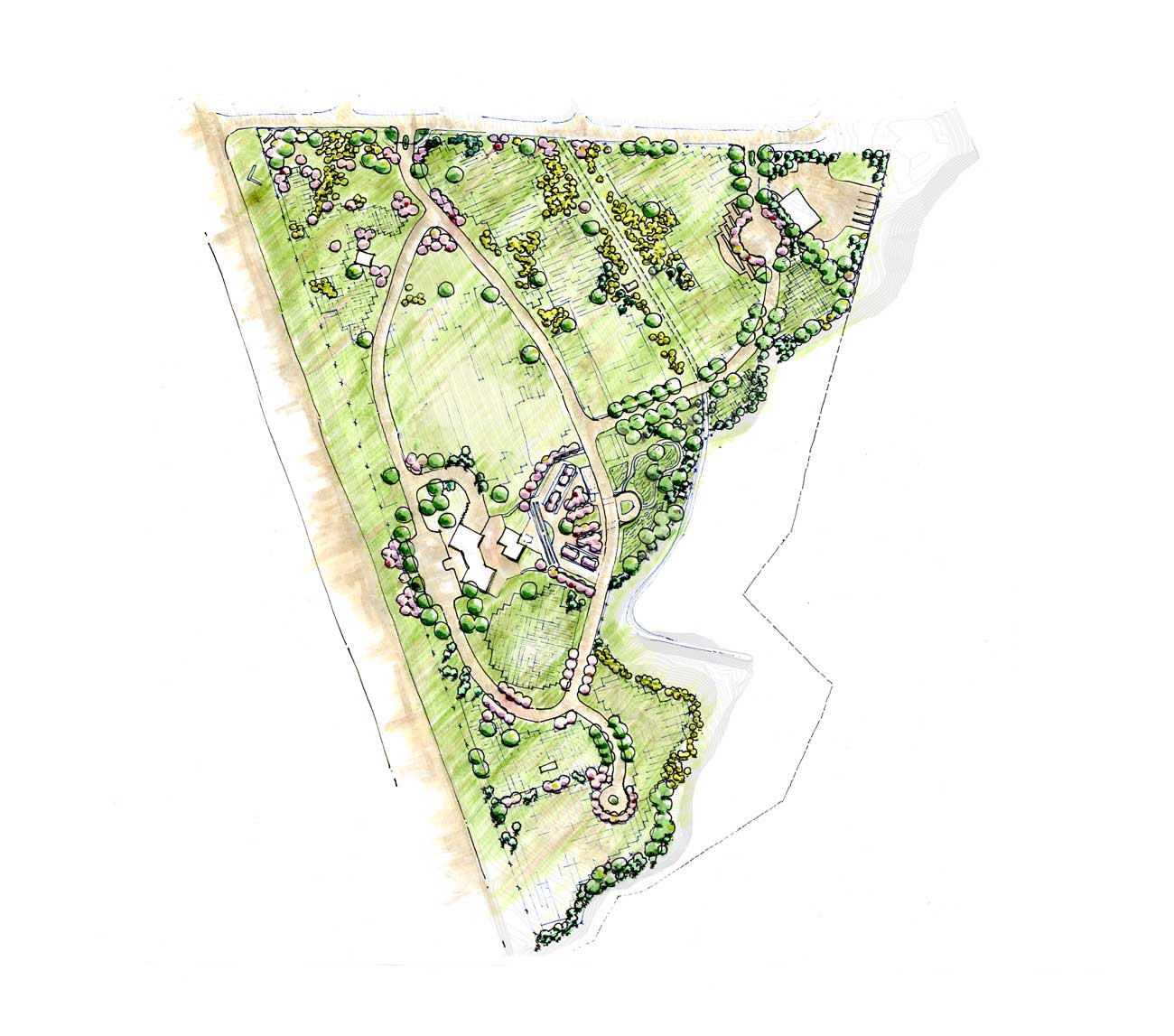
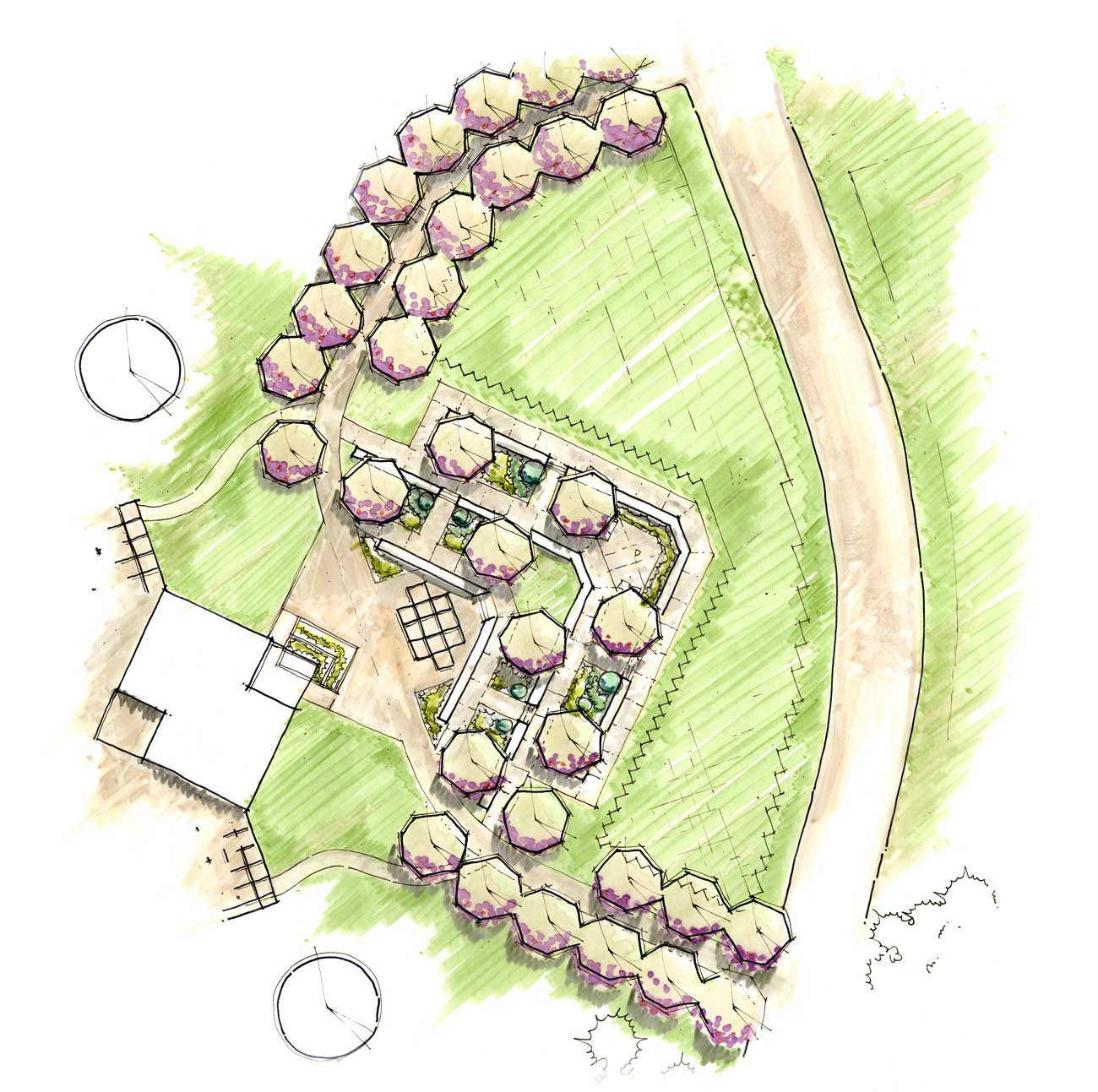
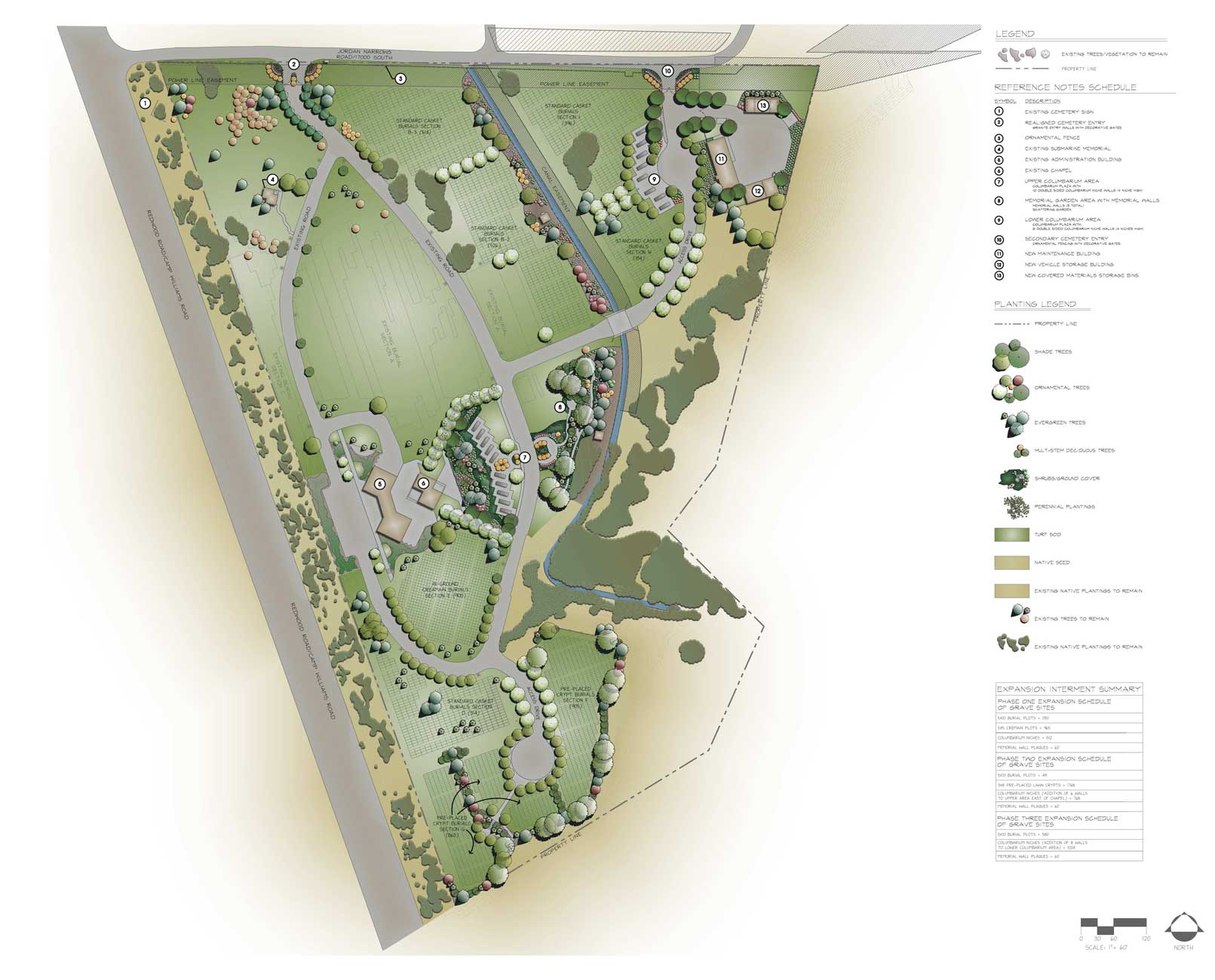
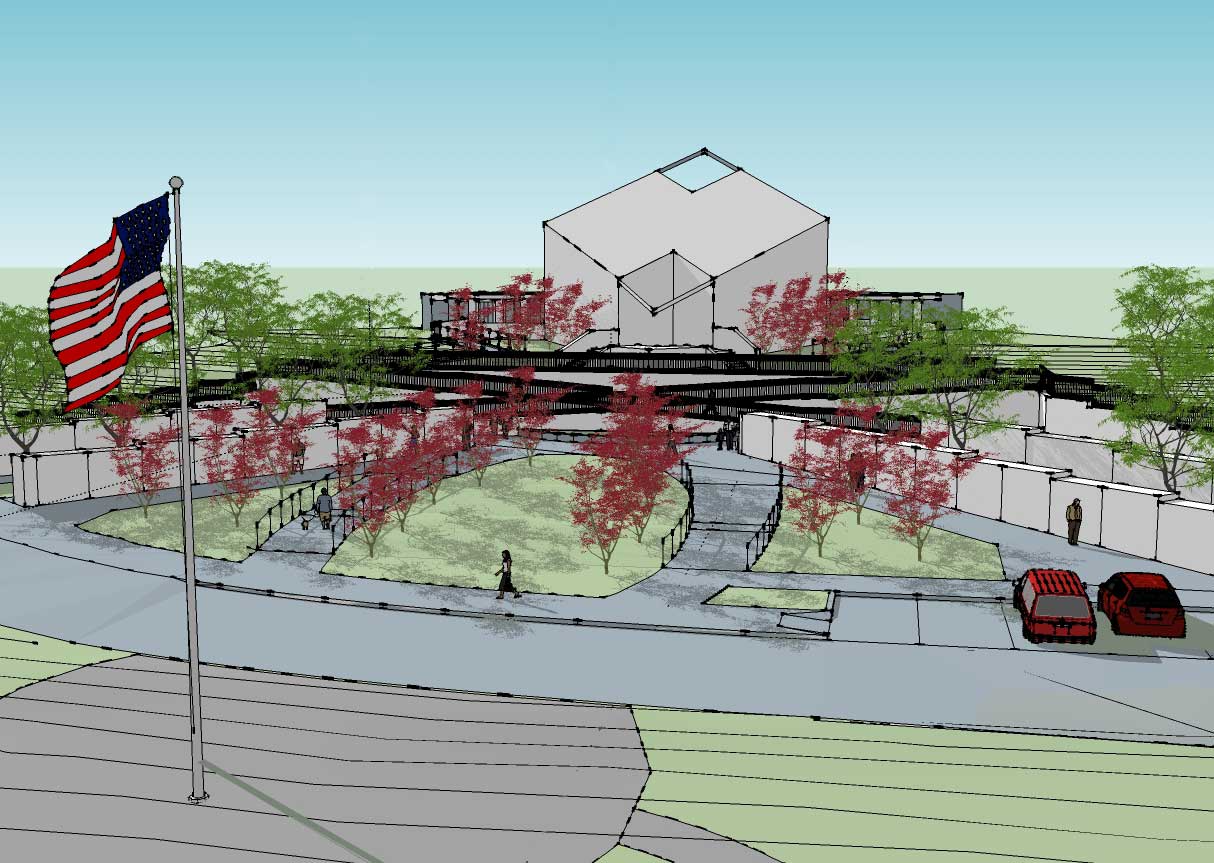
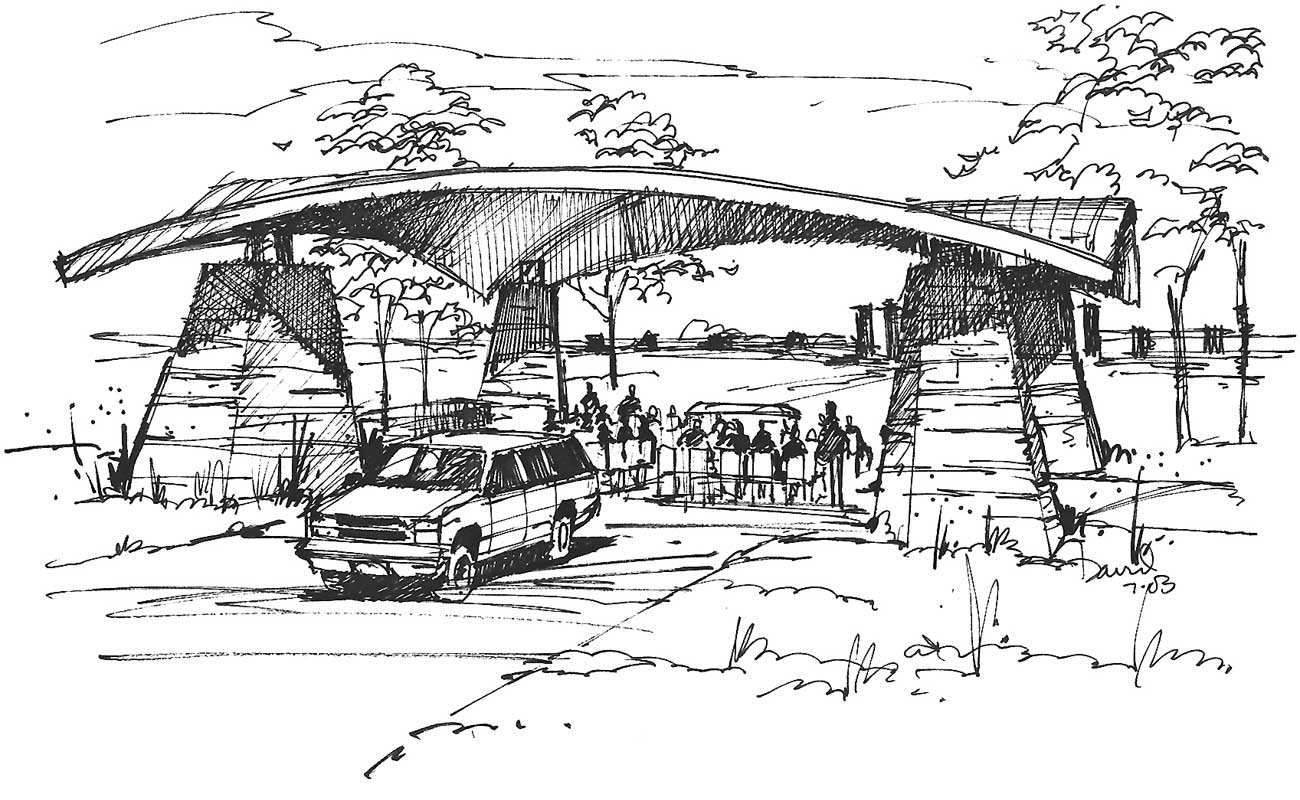
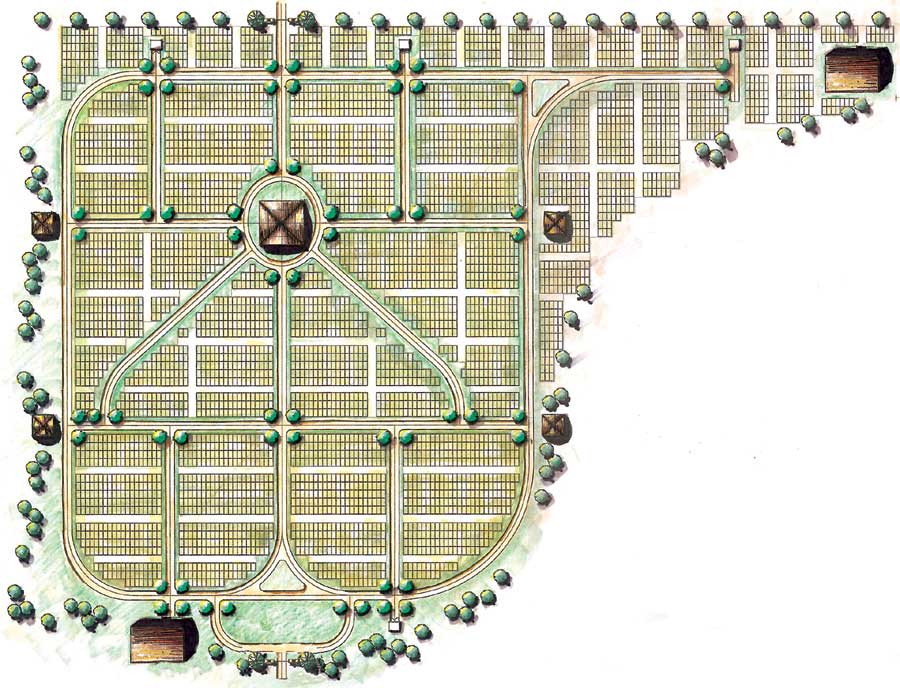
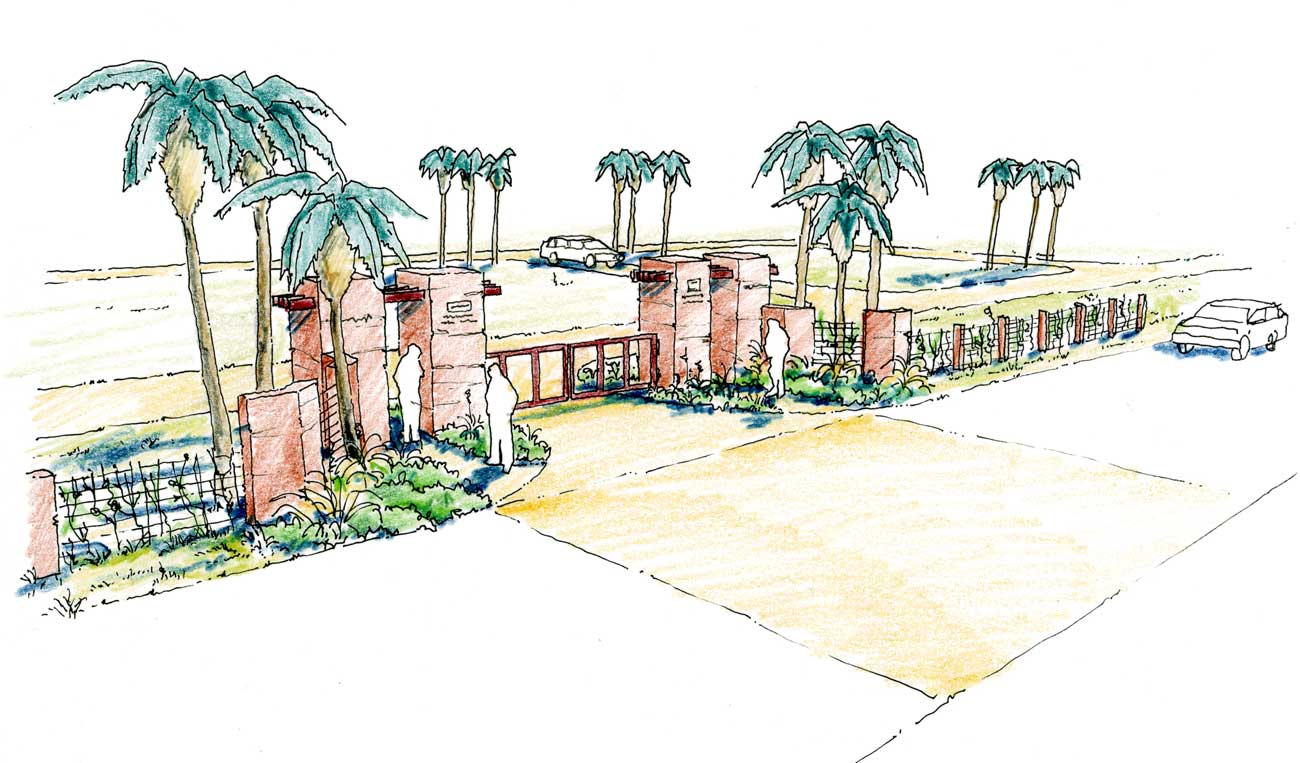
G Brown Design, in collaboration with Prior and Associates Architects, worked with local and national Veterans Administrations, and the Utah Division of Facilities Construction & Management to guide the cemetery master planning and Phase One expansion work for the existing 30 acre Utah State Veterans Cemetery. The project includes additional interment areas, columbarium niches, memorial walls and scattering garden, a realigned entry with new entry walls, grave survey monuments and burial section markers, redesigned maintenance facilities, irrigation renovations, and landscape improvements. G Brown Design worked with the United States and State of Utah Departments of Veterans Affairs for over 18 months to facilitate grant funding and gain approval from the State Cemetery Grant Service, a division of the U.S. Department of Veterans Affairs. G Brown Design also performed site analysis, compiled the required Site Characteristics Report, coordinated with the Environmental Consultant for the Environmental Assessment, directed the master plan update, and developed construction documents for the site and cemetery design for the Phase 1 Expansion,.
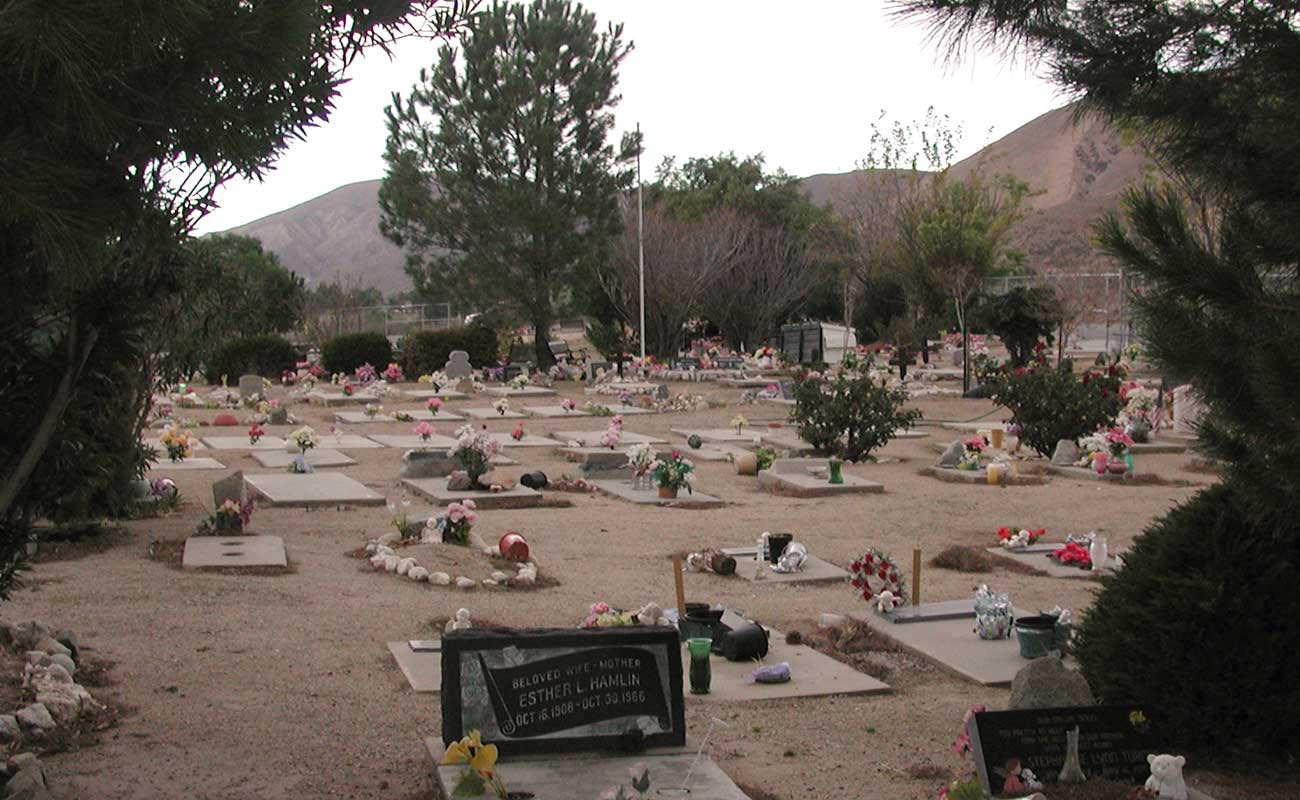
G Brown Design, Inc. has been working with the Morongo Band of Mission Indians, in Southern California, to complete the master plans on four major cemeteries; the Moravian Cemetery, Tribal Cemetery and the St. Mary’s Old and St. Mary’s New Catholic Cemeteries. The historic cemetery sites once possessed an intimate feeling, characterized by long-standing tribal burial traditions. Over the years, however the growth of the cemeteries was beginning to cause some problems; the plot layouts and allocations were inconsistent and haphazard; access, parking, and facilities were nonexistent or inadequate, and landscaping was minimal. The GBD team worked closely with the tribe to understand their cultural heritage and traditions and to develop four cemetery master plans to address the tribe’s growing need for improved and expanded burial facilities. This included analysis of the existing burial ground conditions and the important task of locating unmarked gravesites for relocation into cemetery boundaries. These plans specifically include detailed site analyses and illustrative master plans. The four Master Plans also included schematic designs for gravesite layouts, facility locations, plantings, and other site improvements..
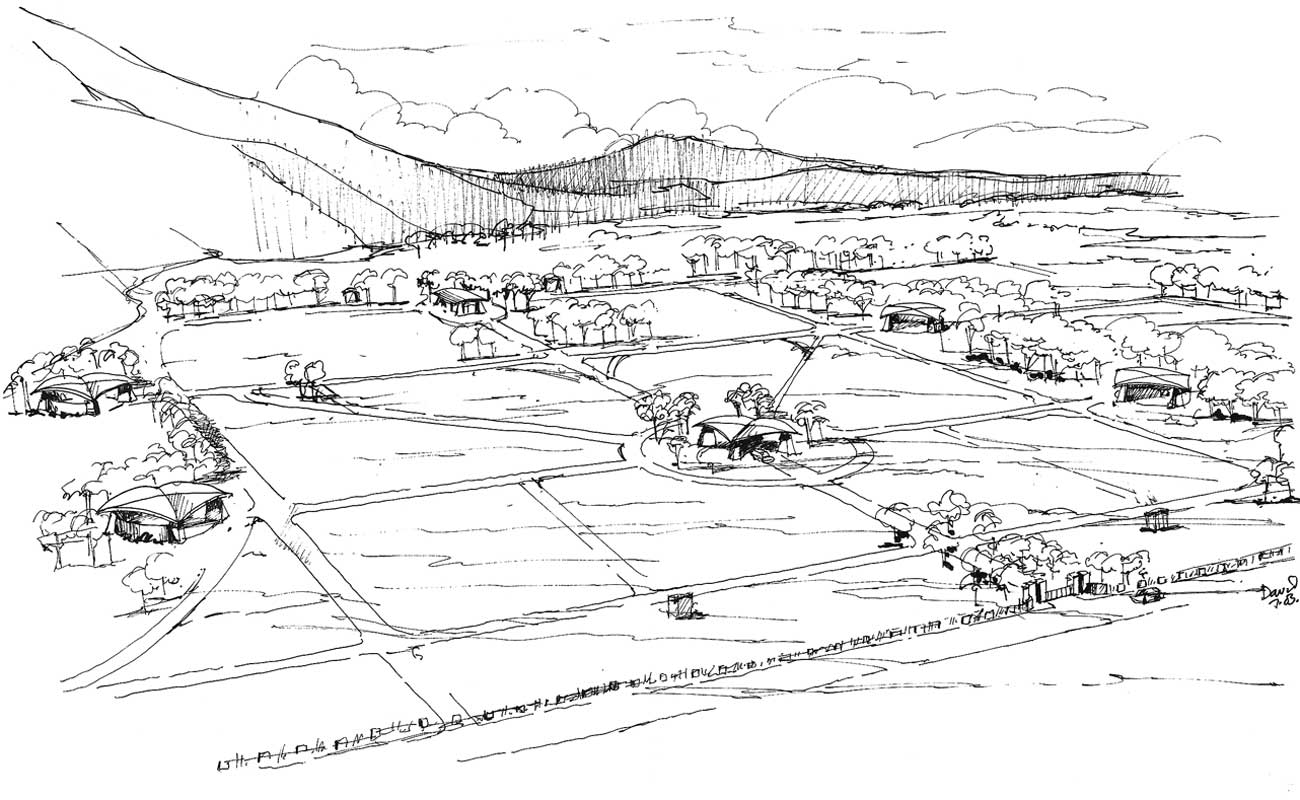
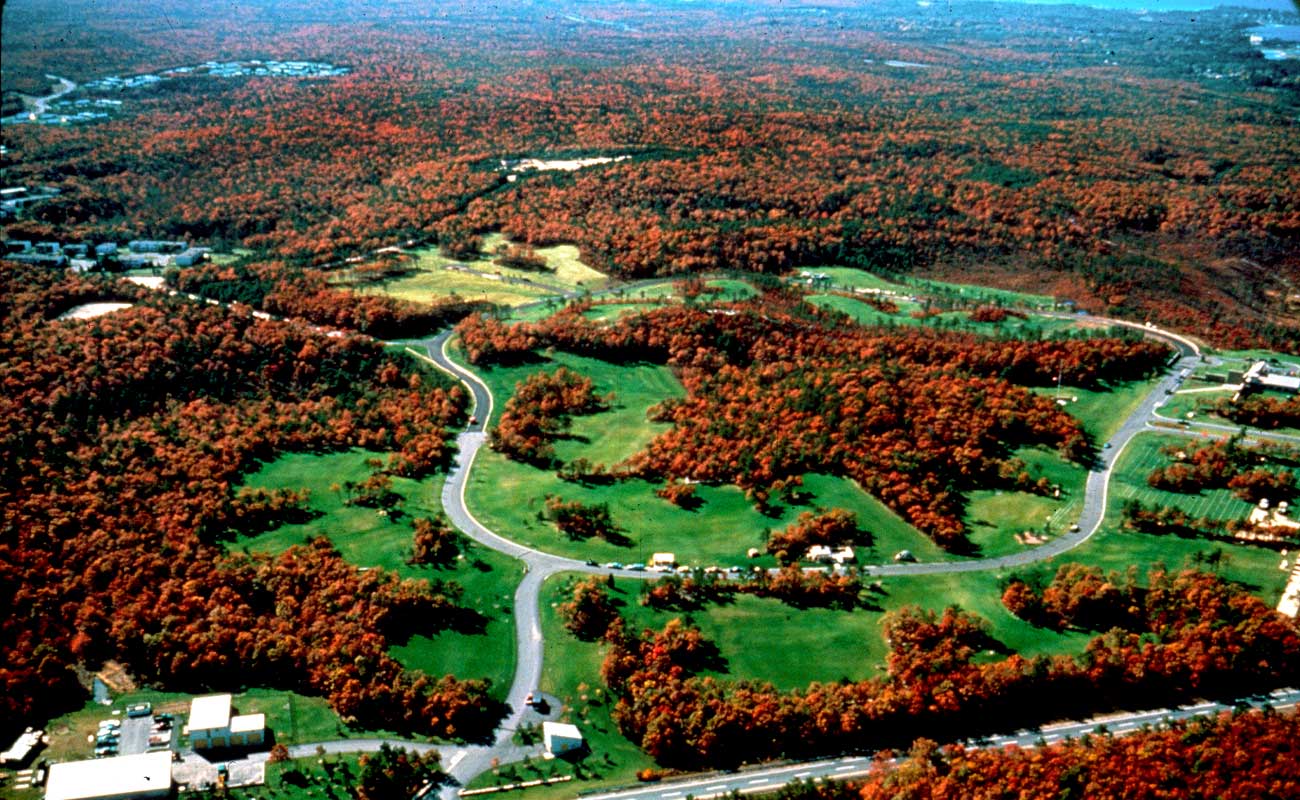
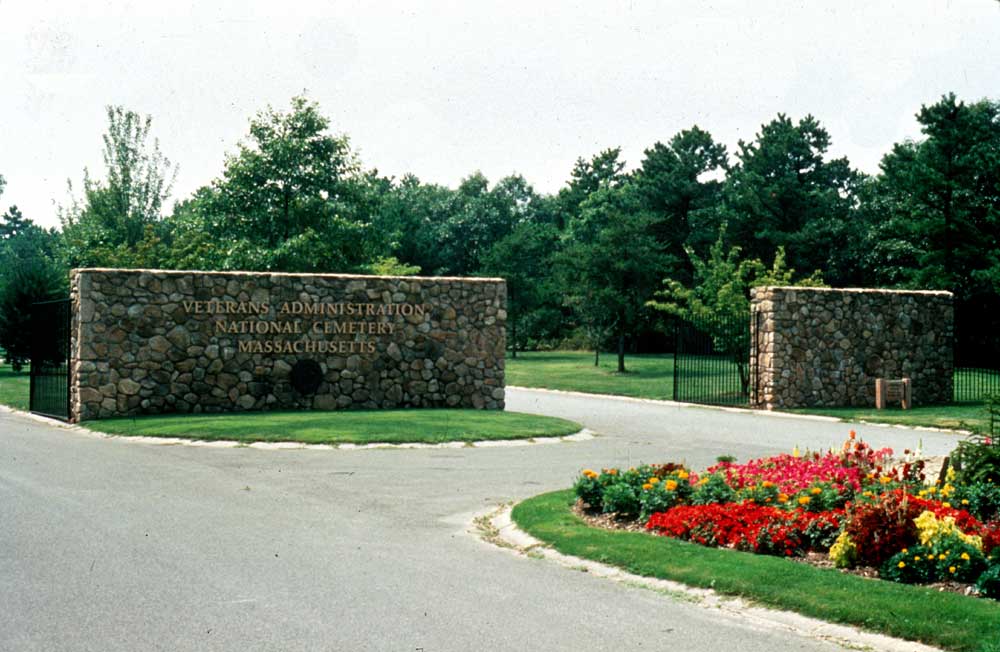
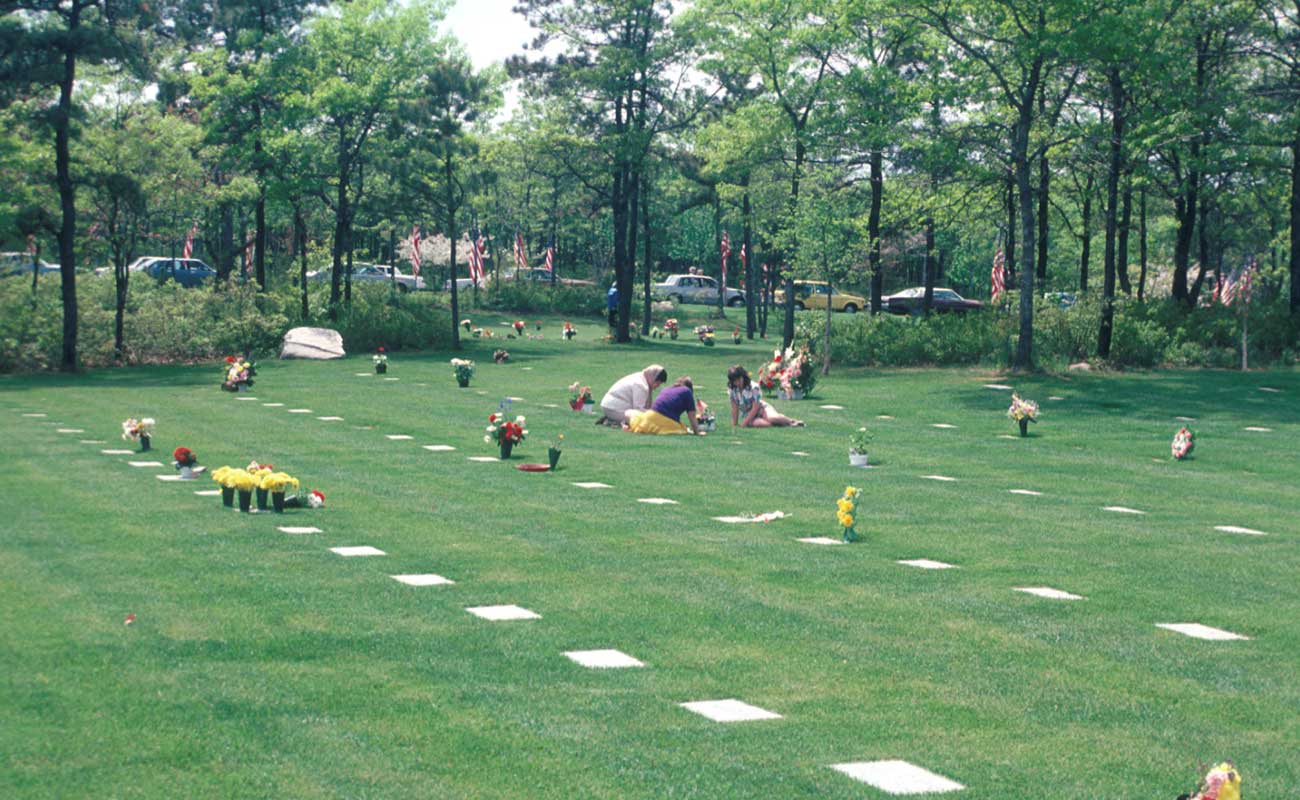
The Massachusetts National Cemetery has become a standard, used by the Department of Veterans Affairs for cemetery development. The master plan and maintenance standards for the 750-acre site employed a design concept based on the imagery of the New England orchard landscape. Jerry Brown was project manager for the first six phases of development over a twenty-year time period. The palette of design elements and landscape types included open fields, meadows, orchards, stands of native trees, fieldstone walls, and winding roads, which complimented the existing site conditions and symbolized the desired imagery and history of the site. The landscape architects prepared construction documents and supervised construction for six phases based on the Master Plan Documents.
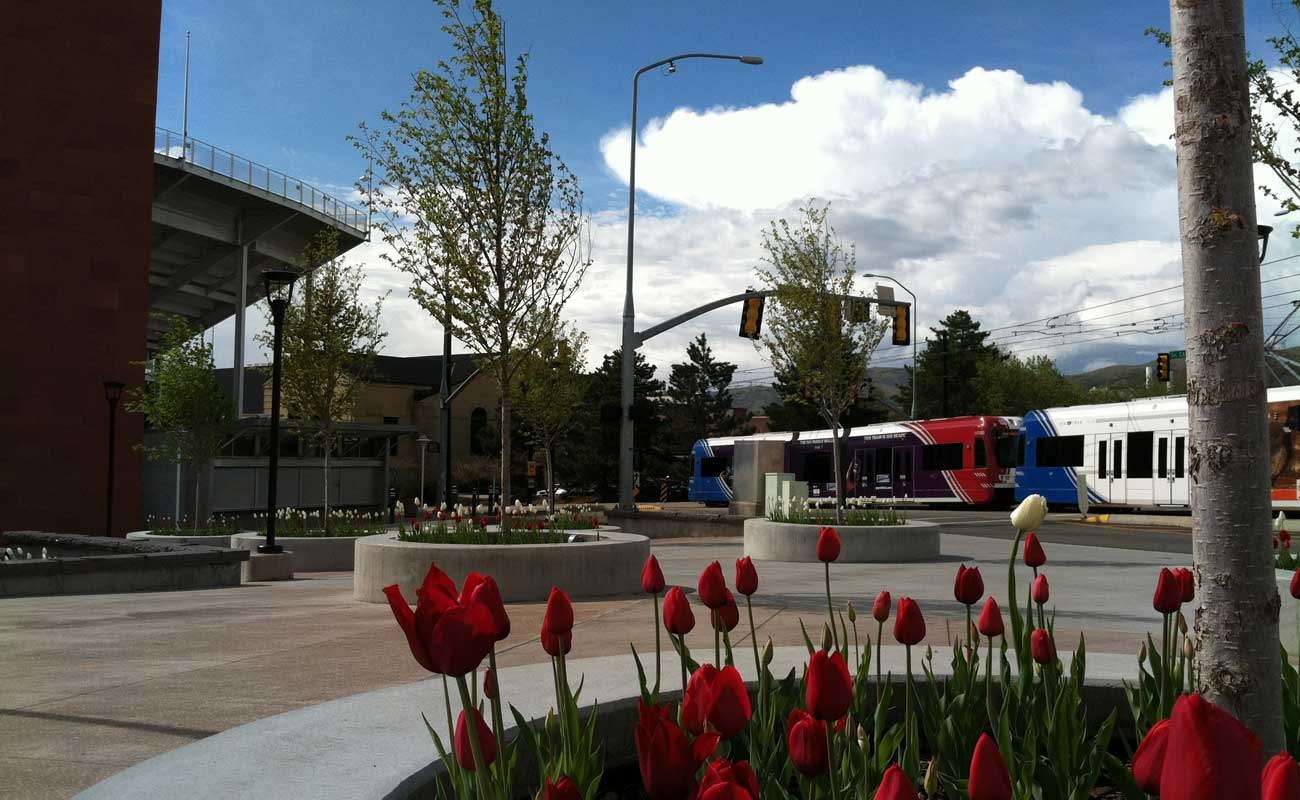
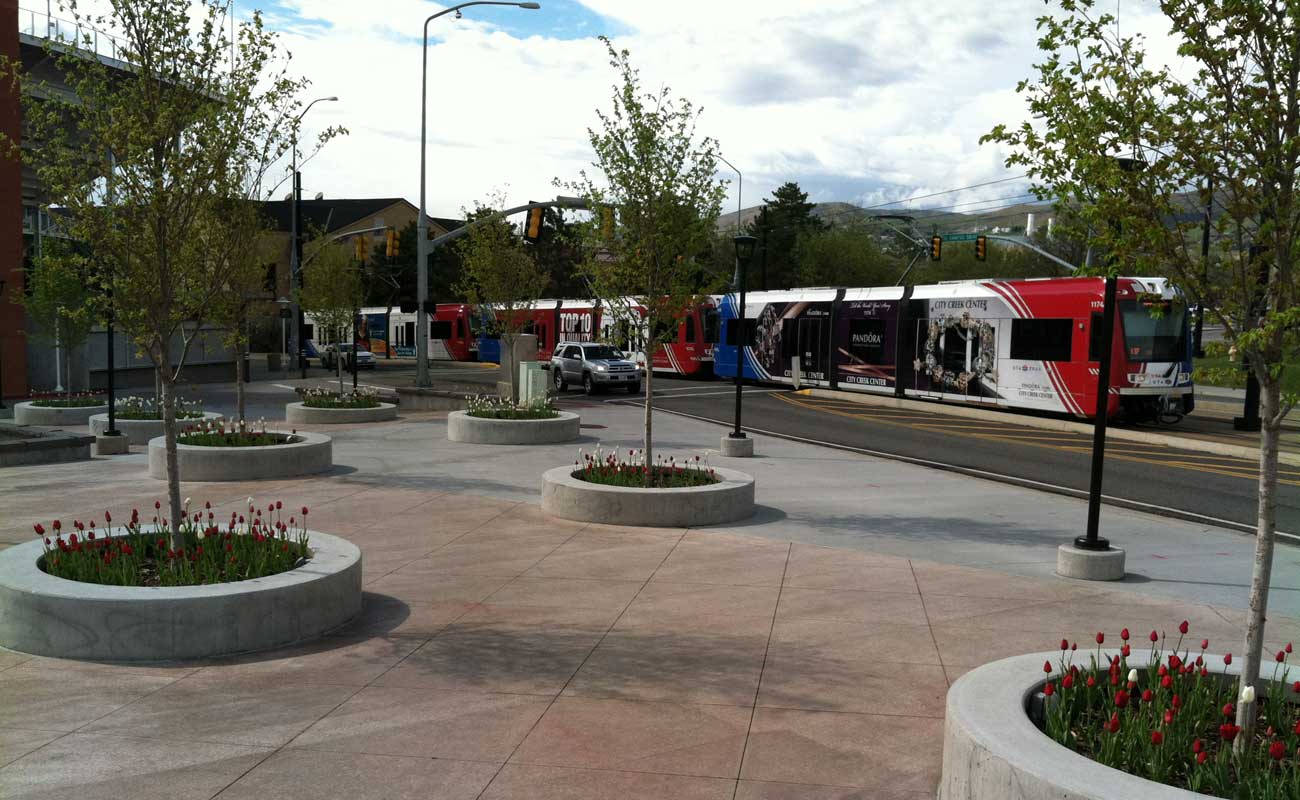
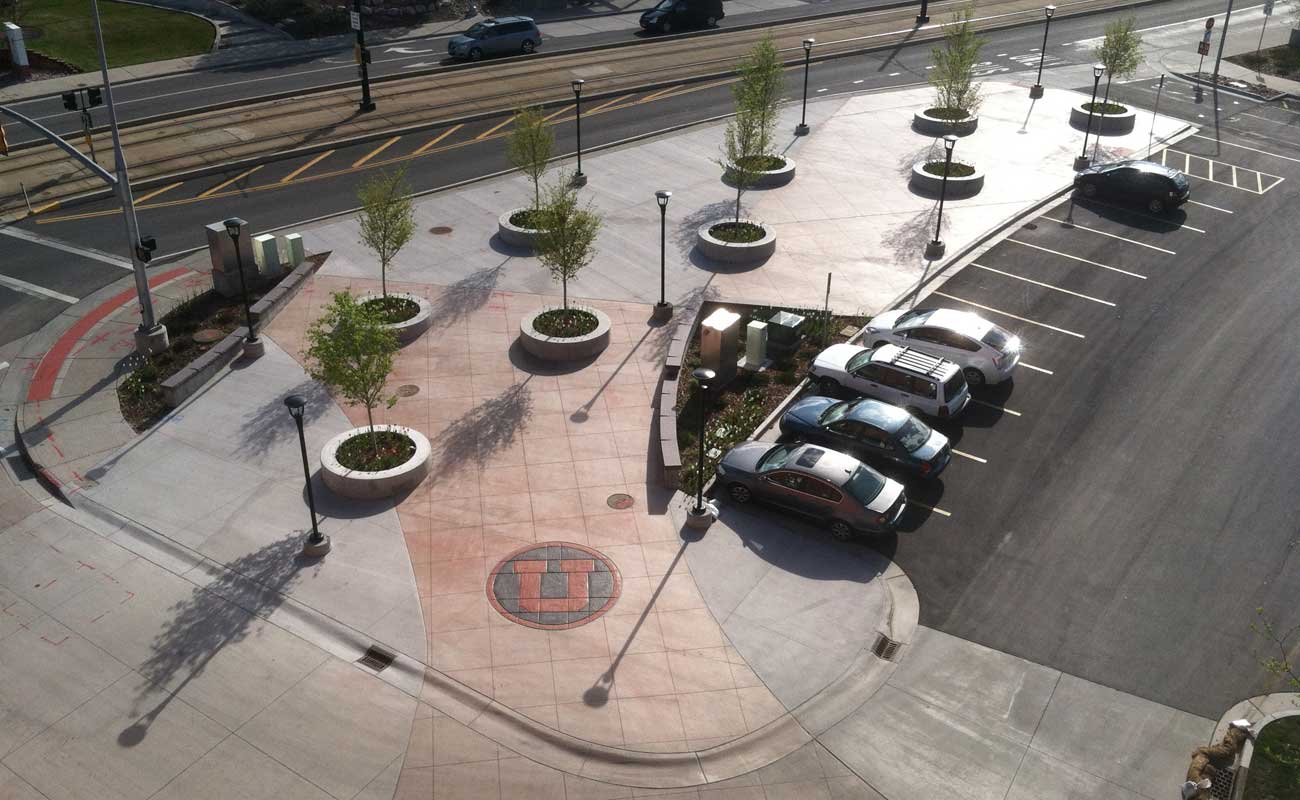
The University of Utah contracted with G Brown Design to develop an existing landscape median located at the North East corner of Rice Eccles Stadium into a plaza space to accomodate the intense pedestrian traffic experienced on football game days. The project faced a number of challenges including a very aggressive schedule, difficult grading constraints, relocation of a number of utilities, and coordination with UDOT, UTA, Rocky Mountain Power, and Salt Lake City Utilities. G Brown Design developed the design in close collaboration with the University’s project development team. The design includes Pre-Cast raised planters, seat walls with granite caps, and trees and landscaping. The project had a very short schedule necessary to accomodate the first football game.
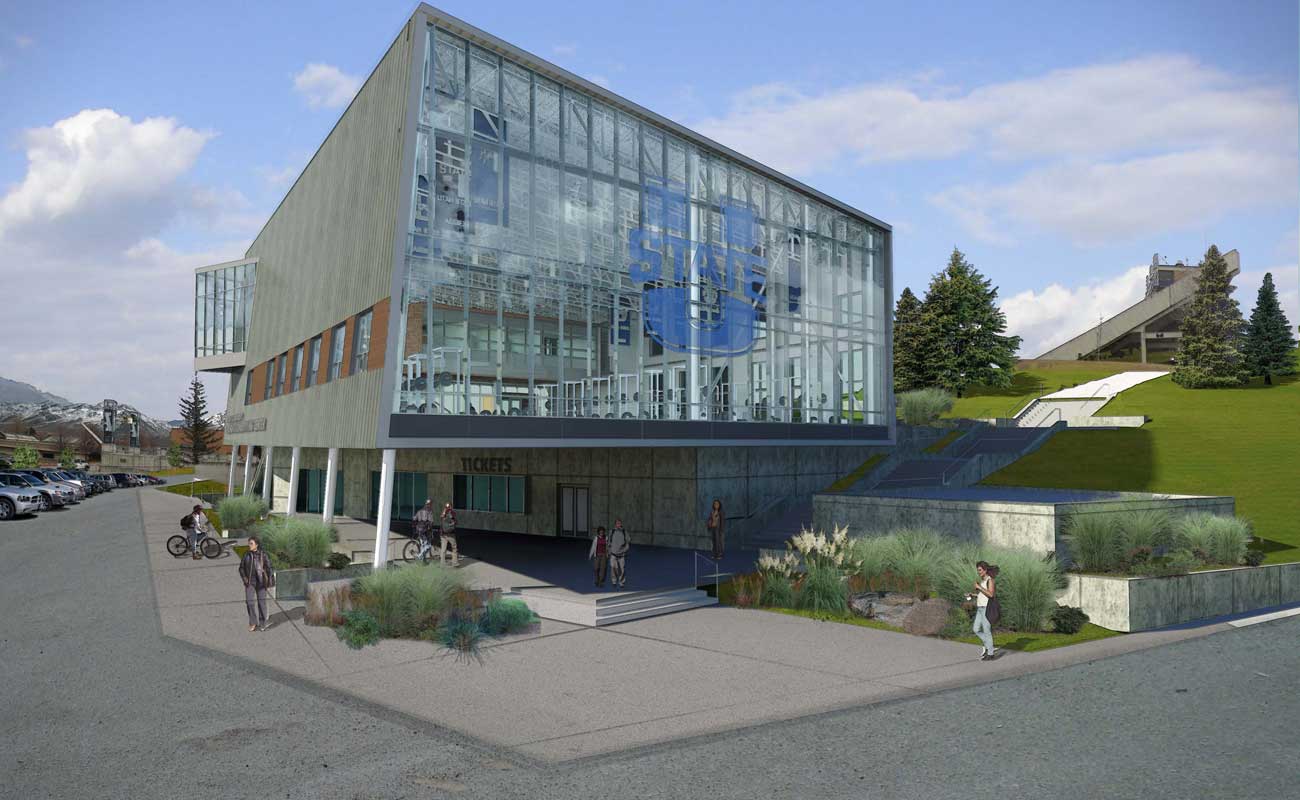
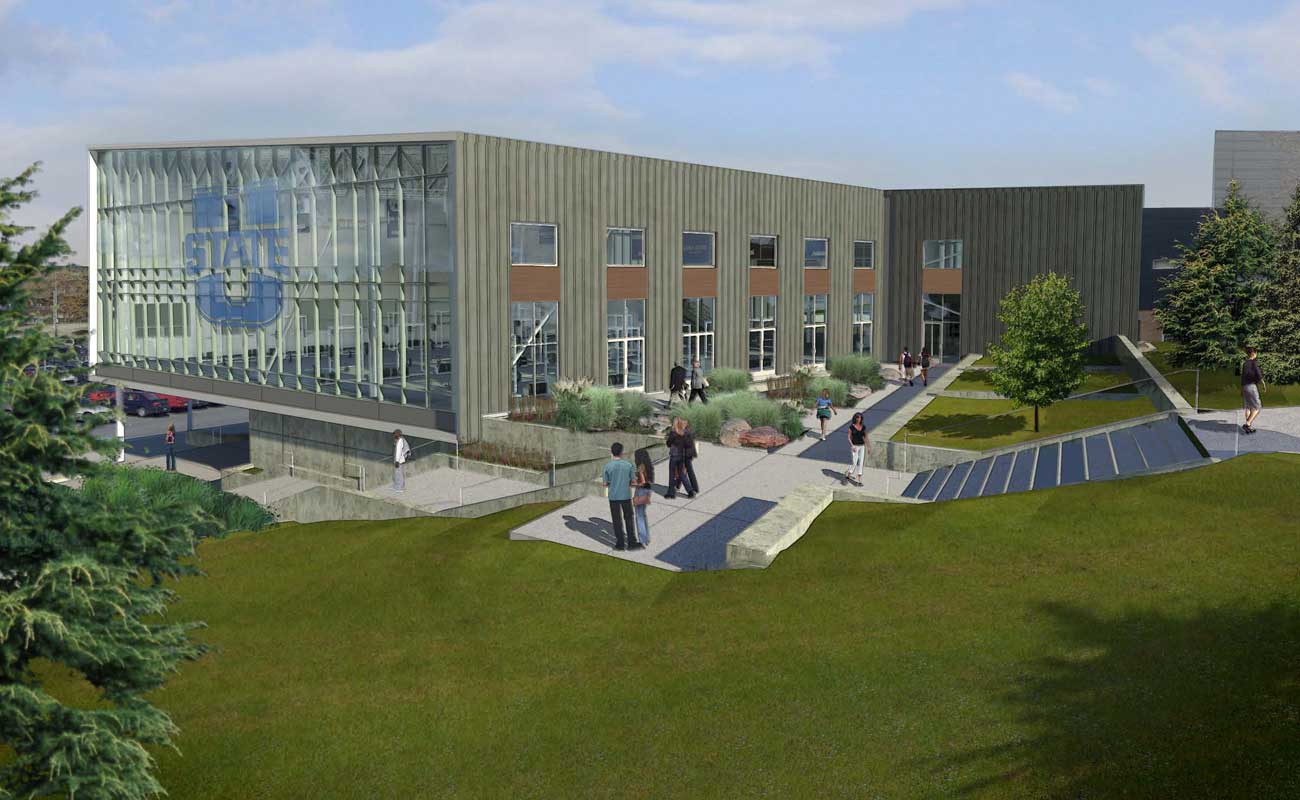
G Brown Design worked with AJC Architects and the USU Facilities Department to develop the site and landscape design for the Athletics Strength
& Conditioning Center. The site design includes custom angular raised planters that can also be used for seating. The project will be LEED certified and utilizes native or adaptive plant material requiring minimal water. The planting design also incorporates masses of perennials and other plant varieties that provide seasonal interest. G Brown Design’s work required close coordination with USU’s facilities to design the irrigation system in a manner that would allow the adjacent existing irrigation system to remain operational throughout construction. Careful attention was made to protect and maintain the existing landscape areas to remain and facilitate continued use of the stadium throughout construction. Scope of services provided included schematic design and construction documents through construction period services using the DFCM design process and standards.
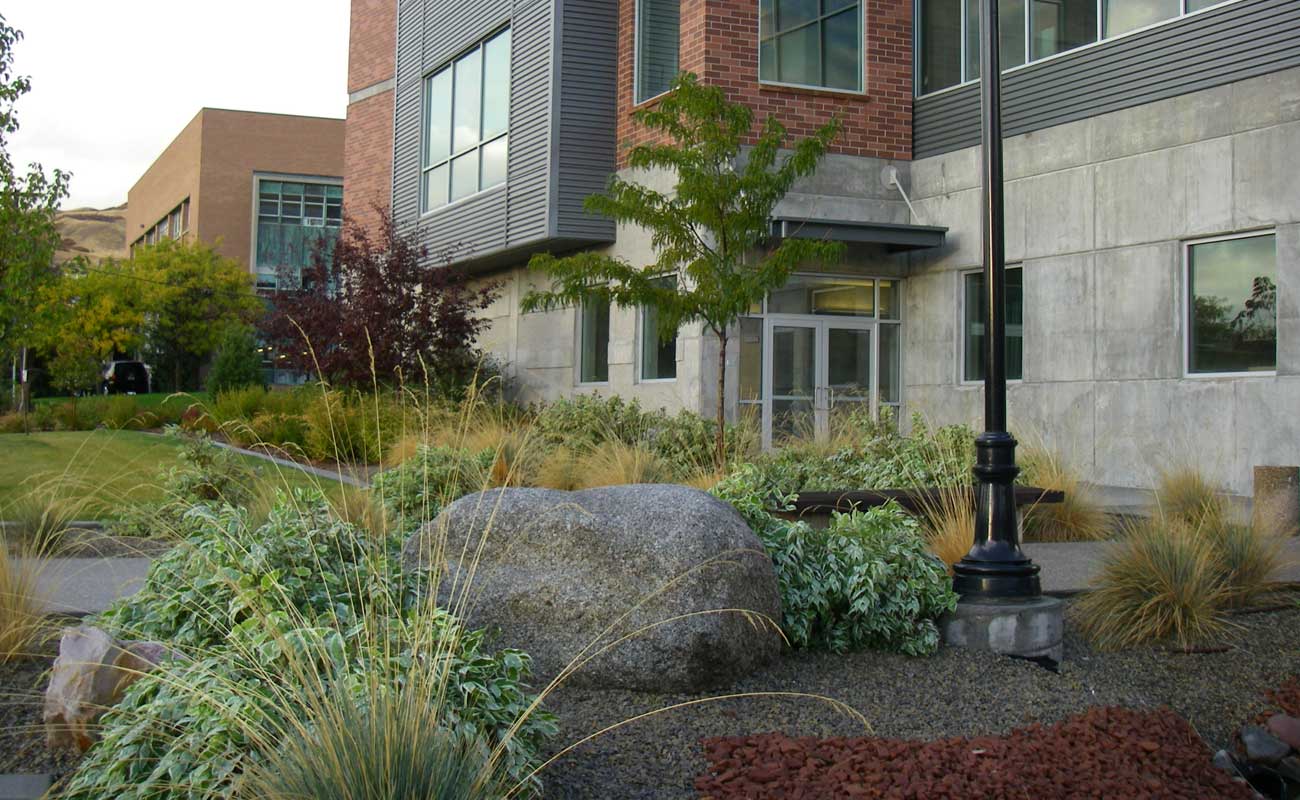
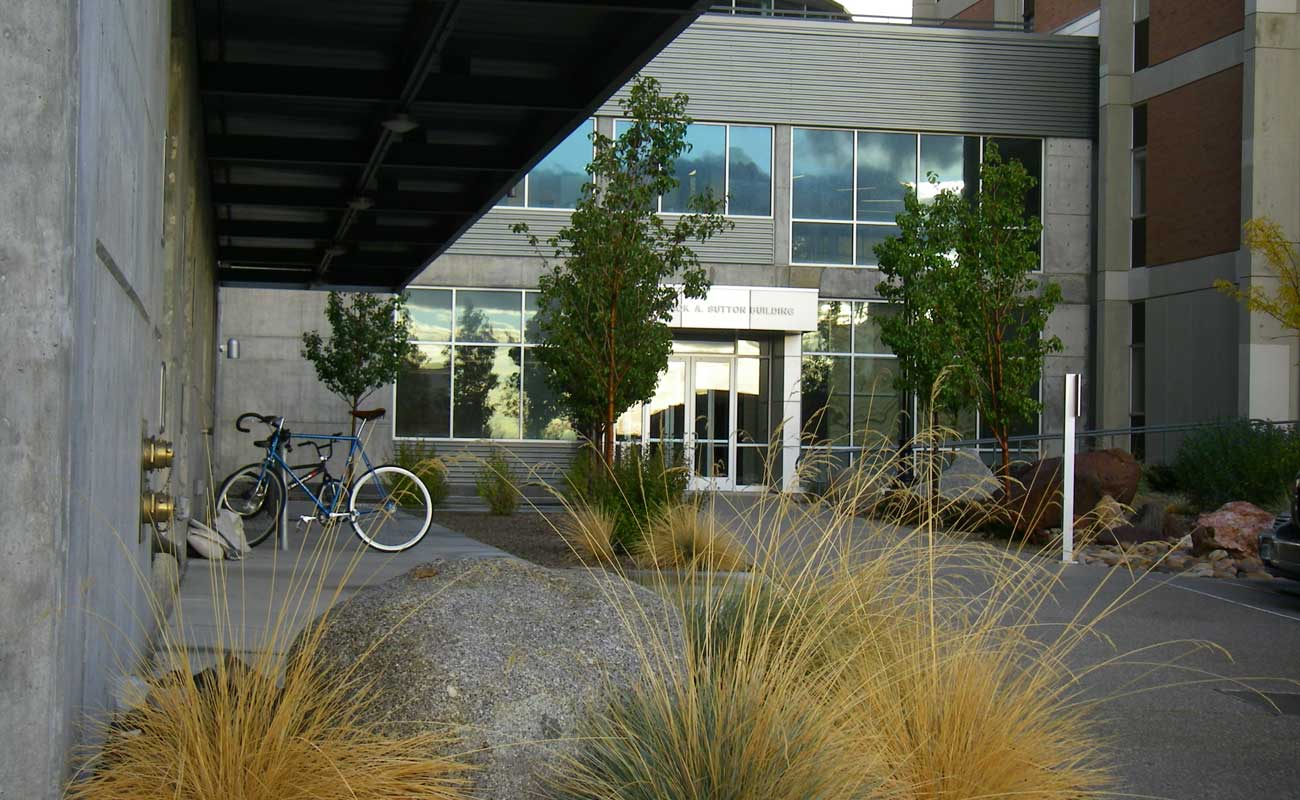
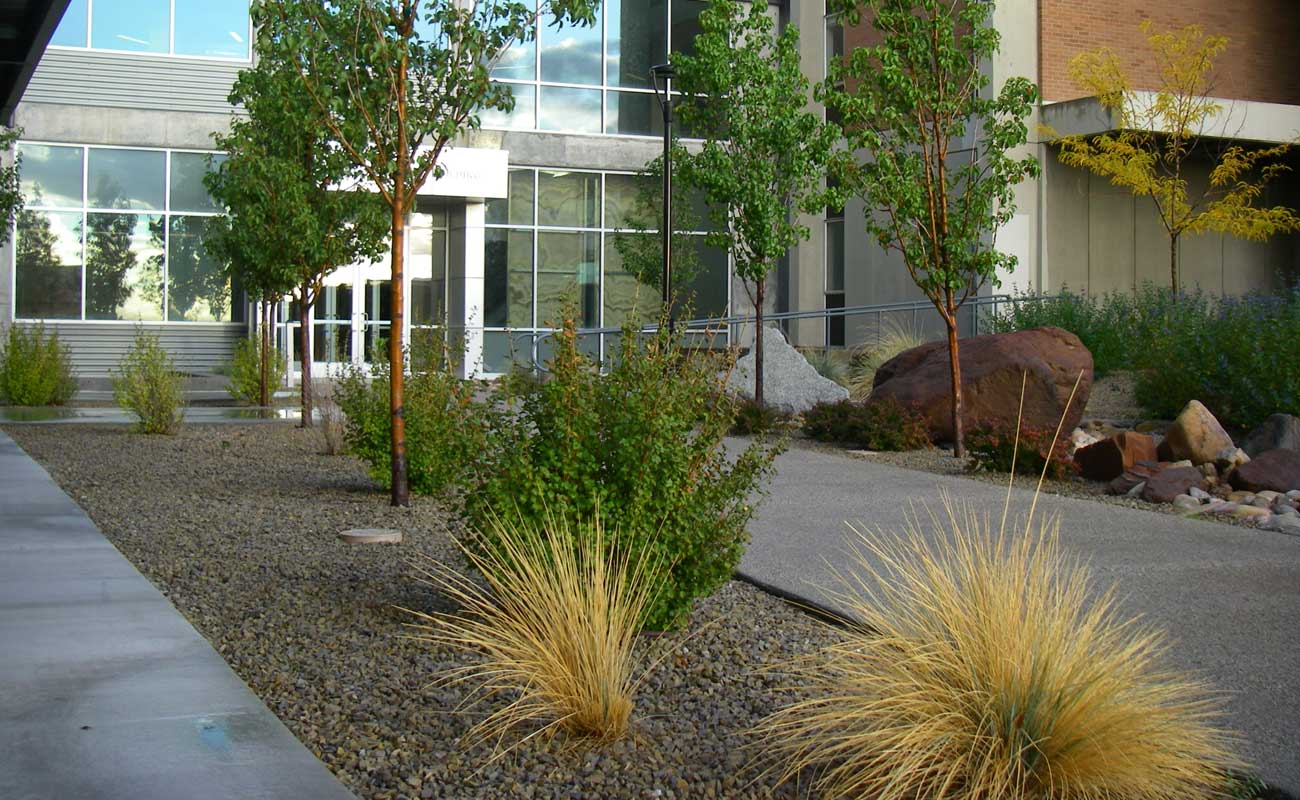
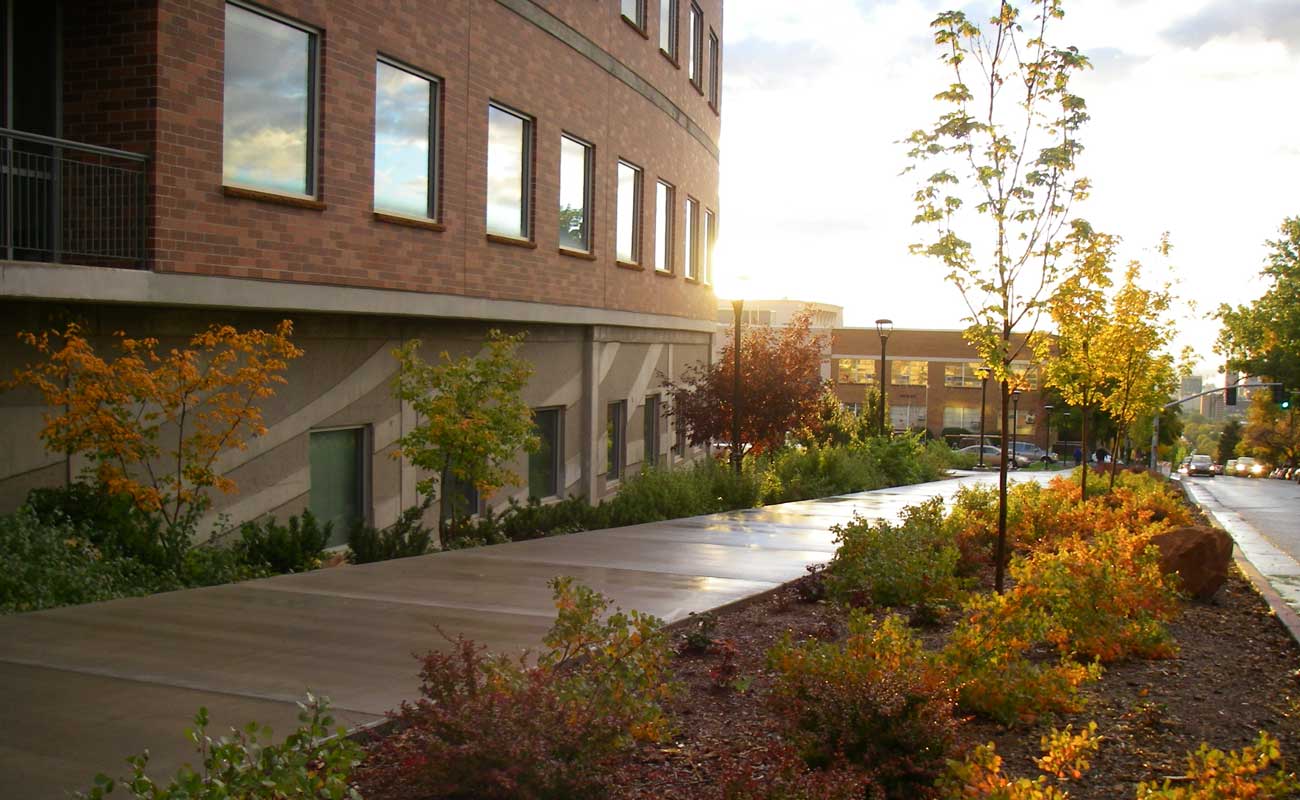
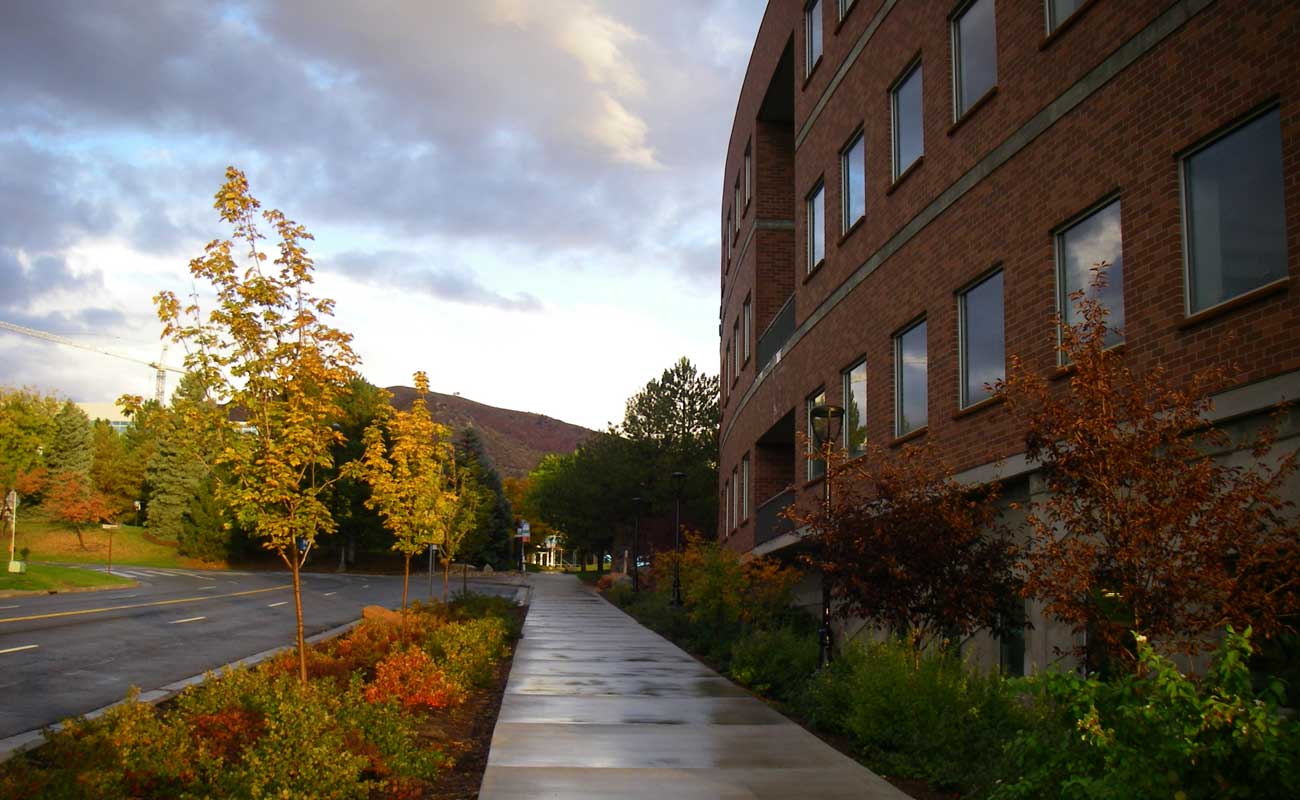
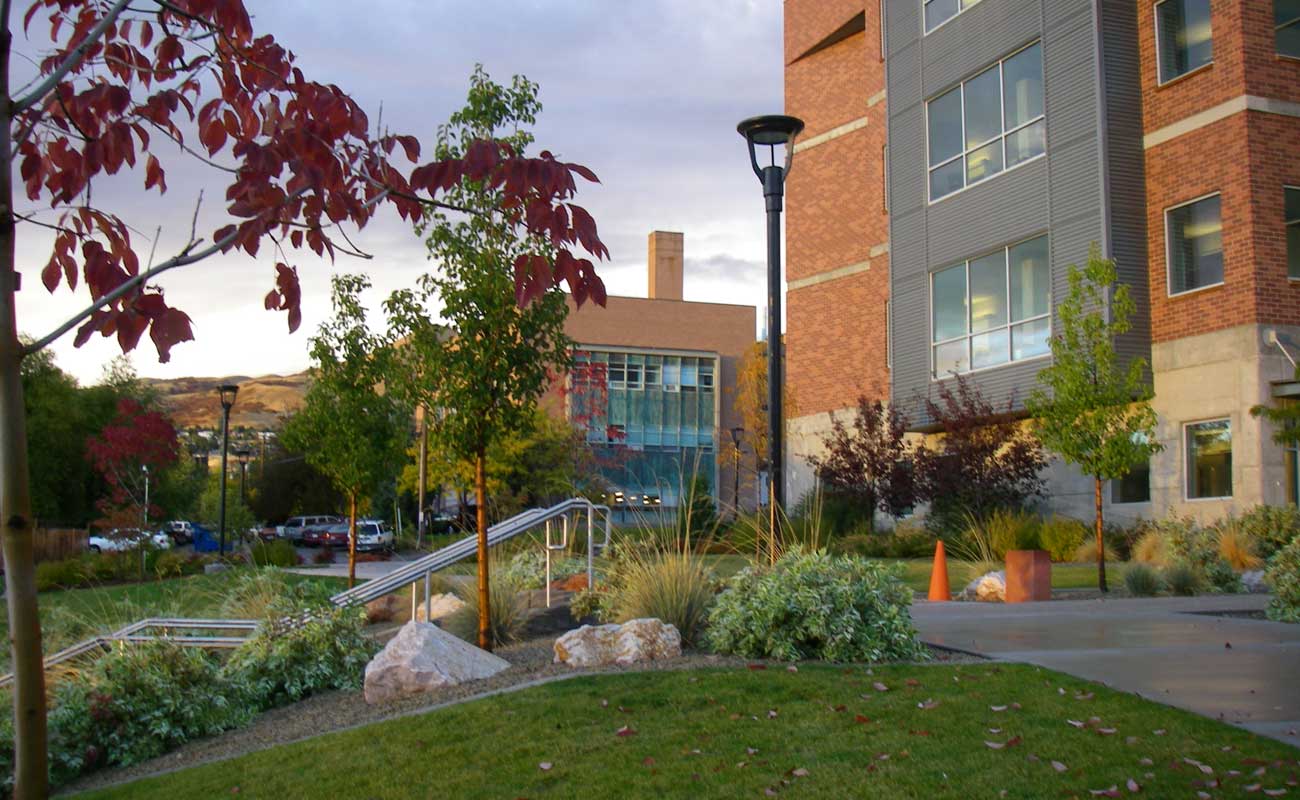
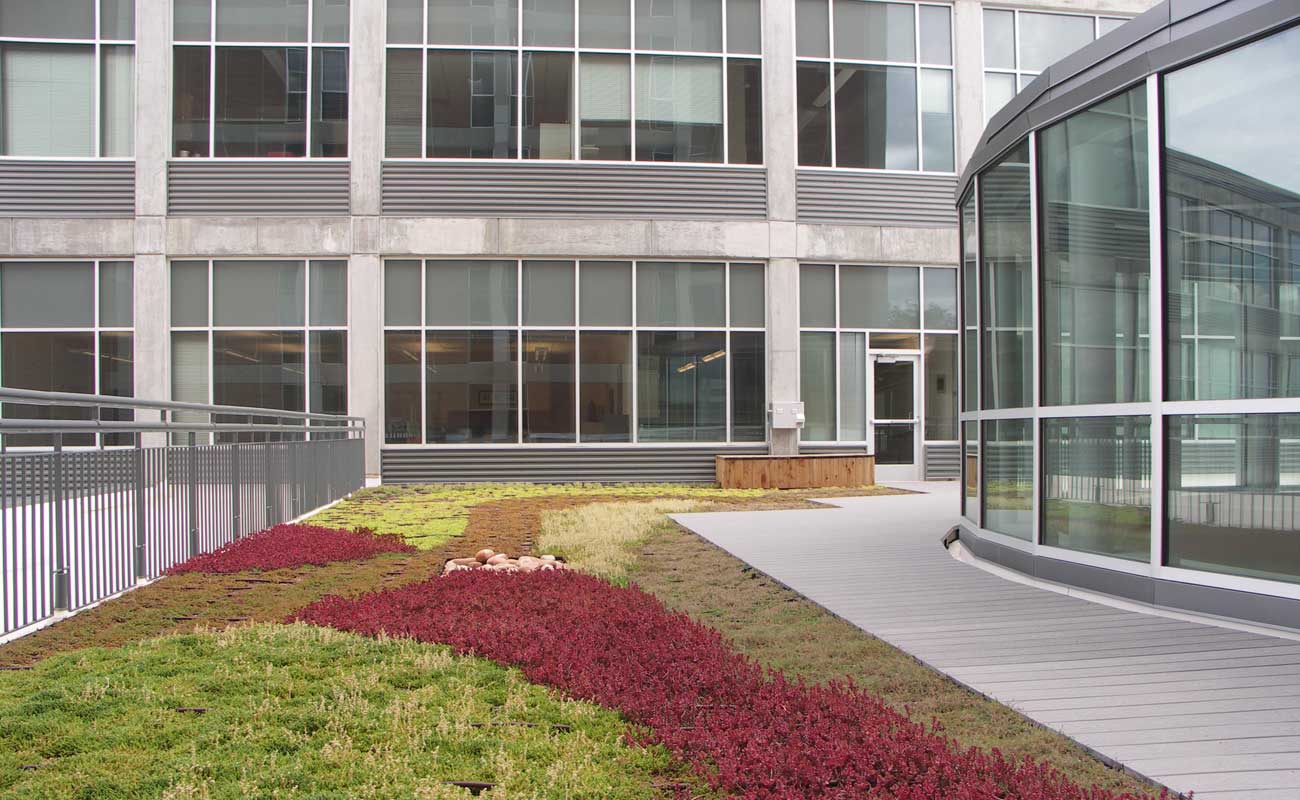
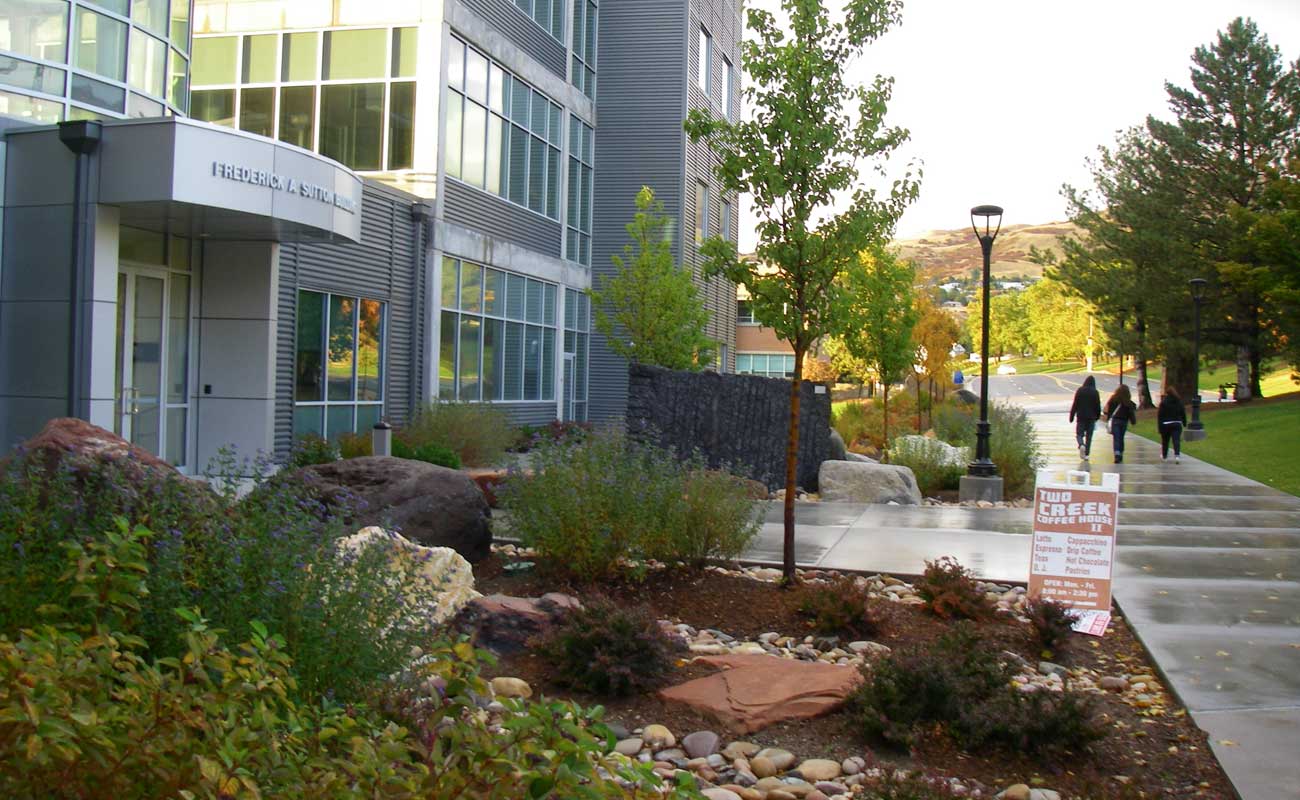
G Brown Design worked with the project Architect from programming through construction periods services for the University of Utah Frederick Albert Sutton Geology Building. Services included assisting with site design, planting and irrigation design, and LEED analysis and documentation. G Brown Design worked with the architect and faculty to develop a landscape design that is sympathetic and evocative of the materials and issues studied in the Department of Geology and Geophysics. This included monumental rock displays, a dry creek bed, and stone mulches. The landscape design also facilitates ground water return, storm water runoff mitigation, high efficient irrigation, a green roof, and native and adaptive plant materials to create a conservation-minded landscape design that reflects the goals of the college to use water and other natural resources responsibly.
G Brown Design, Inc. provided site planning and landscape architectural services for a new synthetic turf field upgrade and streetscape for Judge Memorial High School located in Salt Lake City. The site, located on the east bench of the valley offers stunning views of the entire valley and surrounding mountain ranges to the west. Some design constraints included high ground water, fault lines, steep grade changes and existing site elements and irrigation systems. A series of well thought out planting designs soften the overall site and create a streetscape that fits the context of the site and surrounding neighborhood. A two lane track was designed around a combined football/soccer synthetic turf field to maximize space on a relatively small site. GBD offered innovative solutions for cooling the field and irrigating the planters on site.